The Problem With Façade Time
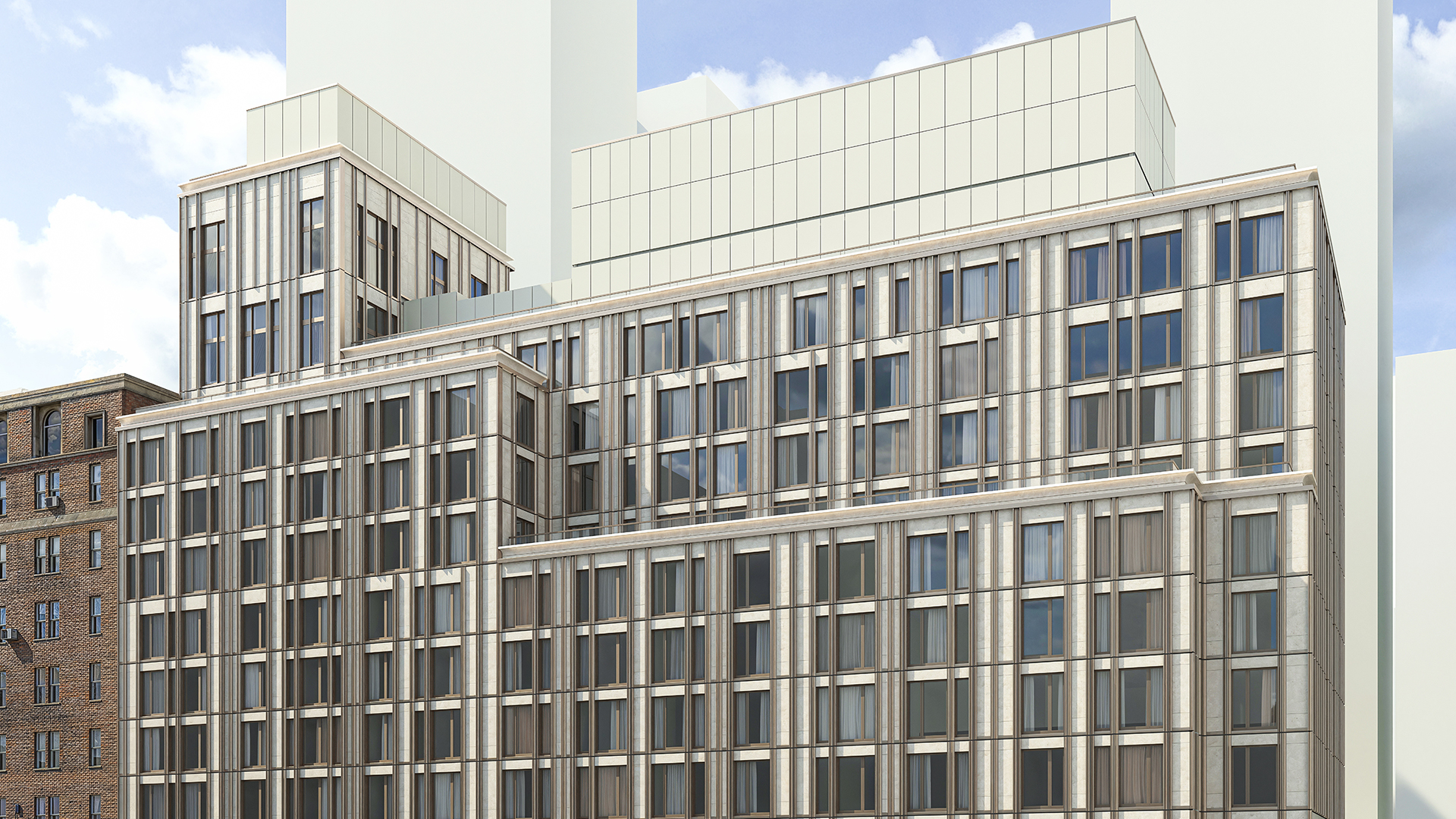
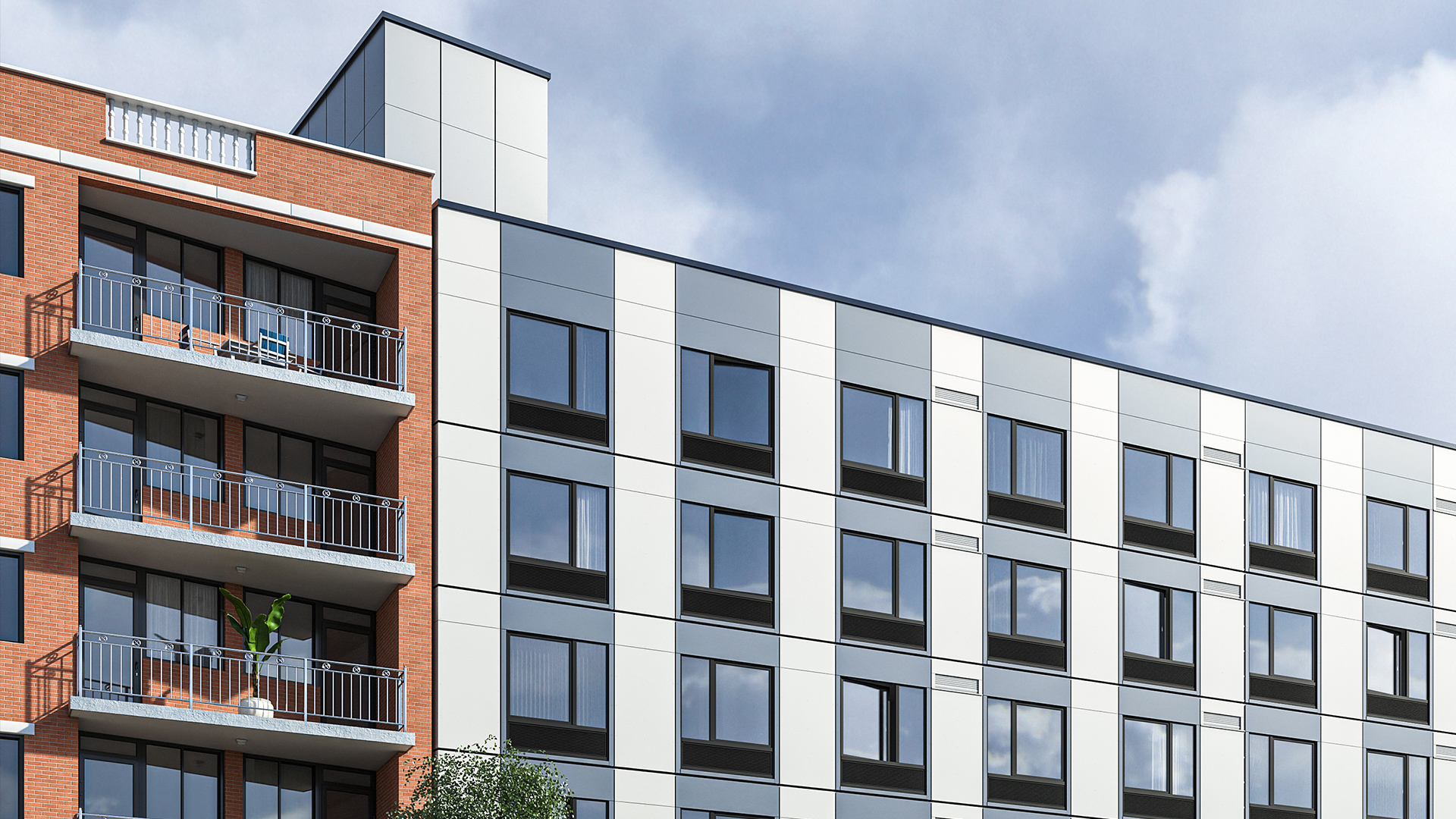
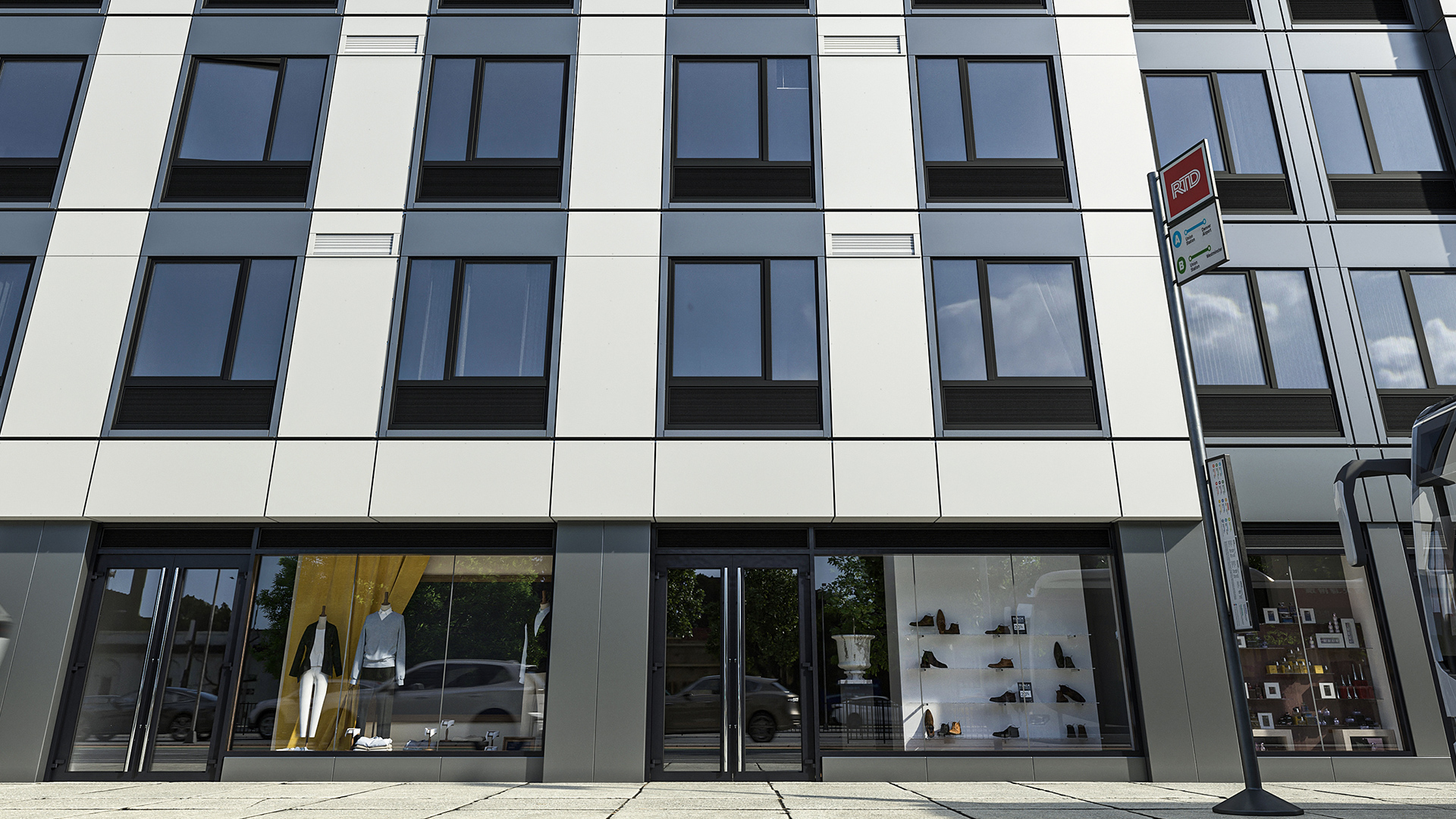
Façade modeling and coordination often become the quiet bottleneck that steals time from design. Complex geometry, evolving materials, and heavy documentation turn envelope scope into a schedule risk—especially when workflows rely on repetitive manual steps in Revit.
Why It Still Feels Manual in Revit
Teams repeatedly place panels, adjust mullions, rebuild families, tag elements, regenerate sections, and then repair drawings after changes. The model moves forward, but the documentation and coordination lag—creating rework loops.
What Faster Should Mean
Speed should come from removing repetition so architects can focus on the decisions that matter: proportion, rhythm, depth, materiality, and performance. A faster workflow should also be more predictable, not more fragile.
Parametric Thinking That Scales
A system-based façade uses rule-driven controls—modules, joints, profiles, patterns, zones—so changes propagate across the model instead of requiring manual edits in every view.
Libraries Beat Heroics
Reusable, editable façade families reduce setup time on every project. The best teams build libraries, not one-off models—so time savings compound.
Where Kora Studio Fits
Kora Studio is a Revit-native façade platform that automates repetitive modeling and keeps documentation connected to the model logic—so teams move faster without losing design flexibility.
Seamless Switching for Real Iteration
When changing materials or panelization triggers rebuilds, teams avoid exploration. Seamless switching lets you test options quickly while keeping views, quantities, and documentation aligned.
Performance and Compliance Early
Checks like Light and Air should happen while choices are still flexible. Bringing validation into the workflow reduces late surprises and rework.
Bottom Line
With a Revit-native, system-based approach, architects can deliver faster, explore more, and reduce coordination pain. Kora Studio exists to give time back—without taking control away.