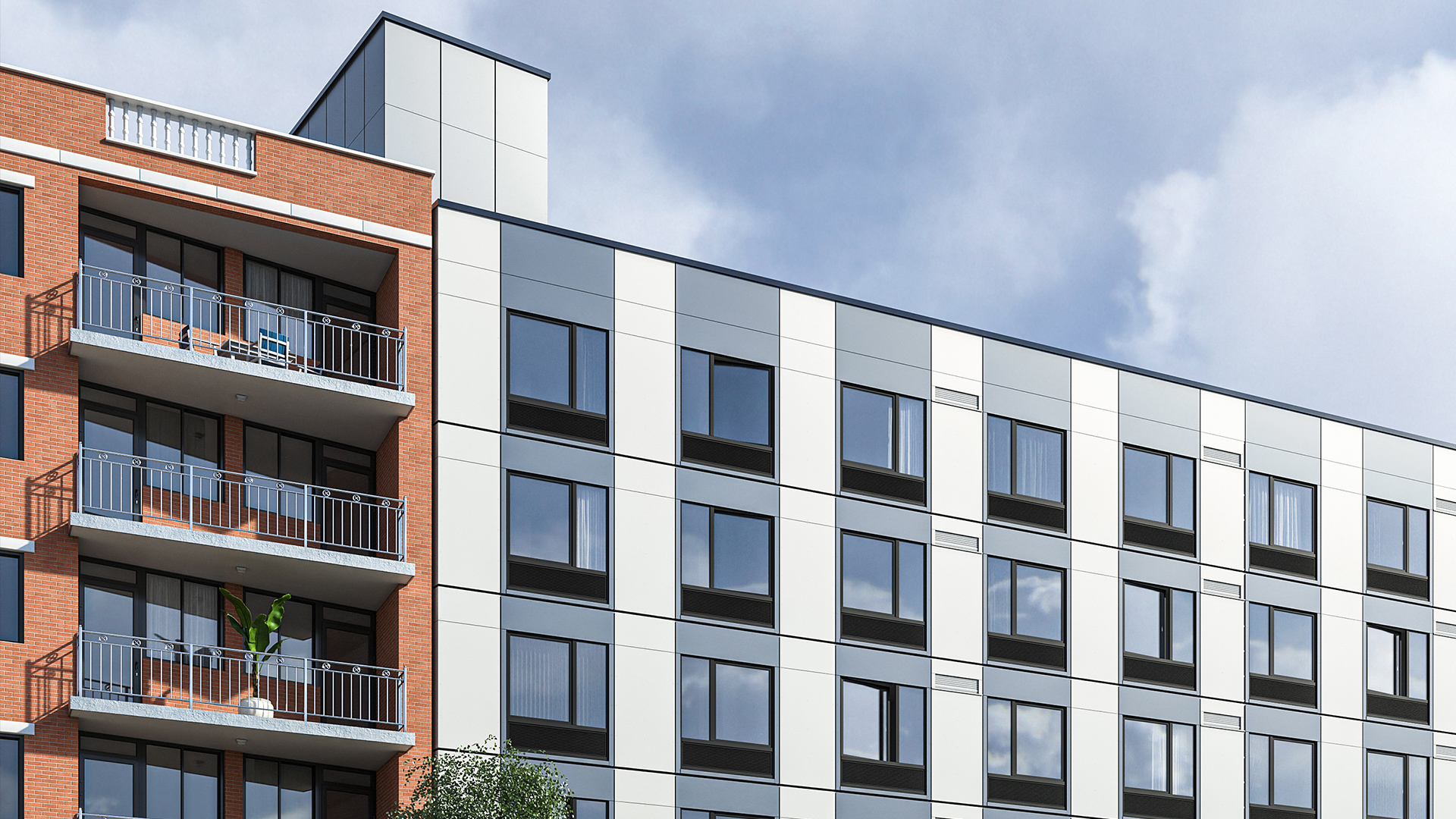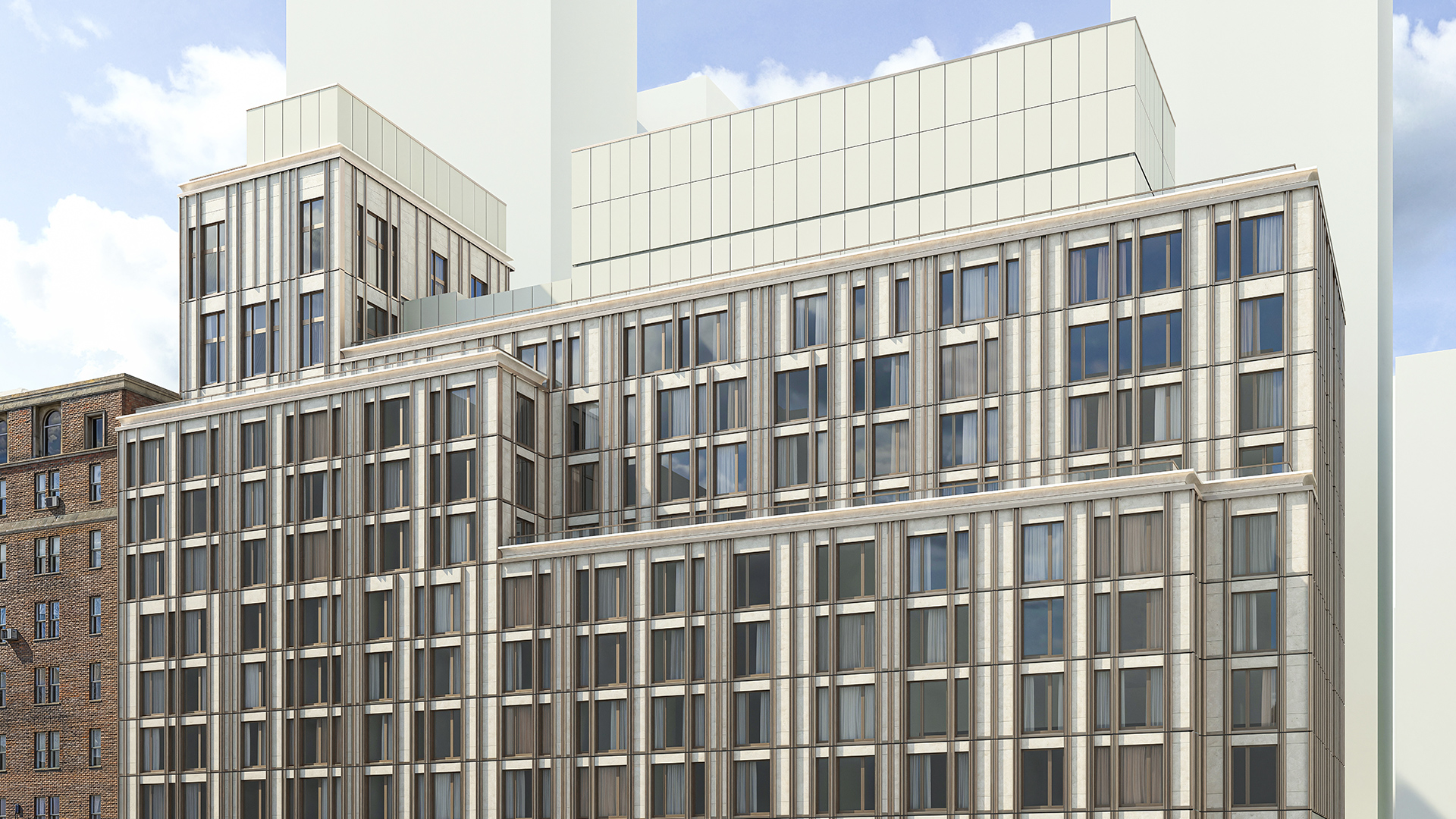

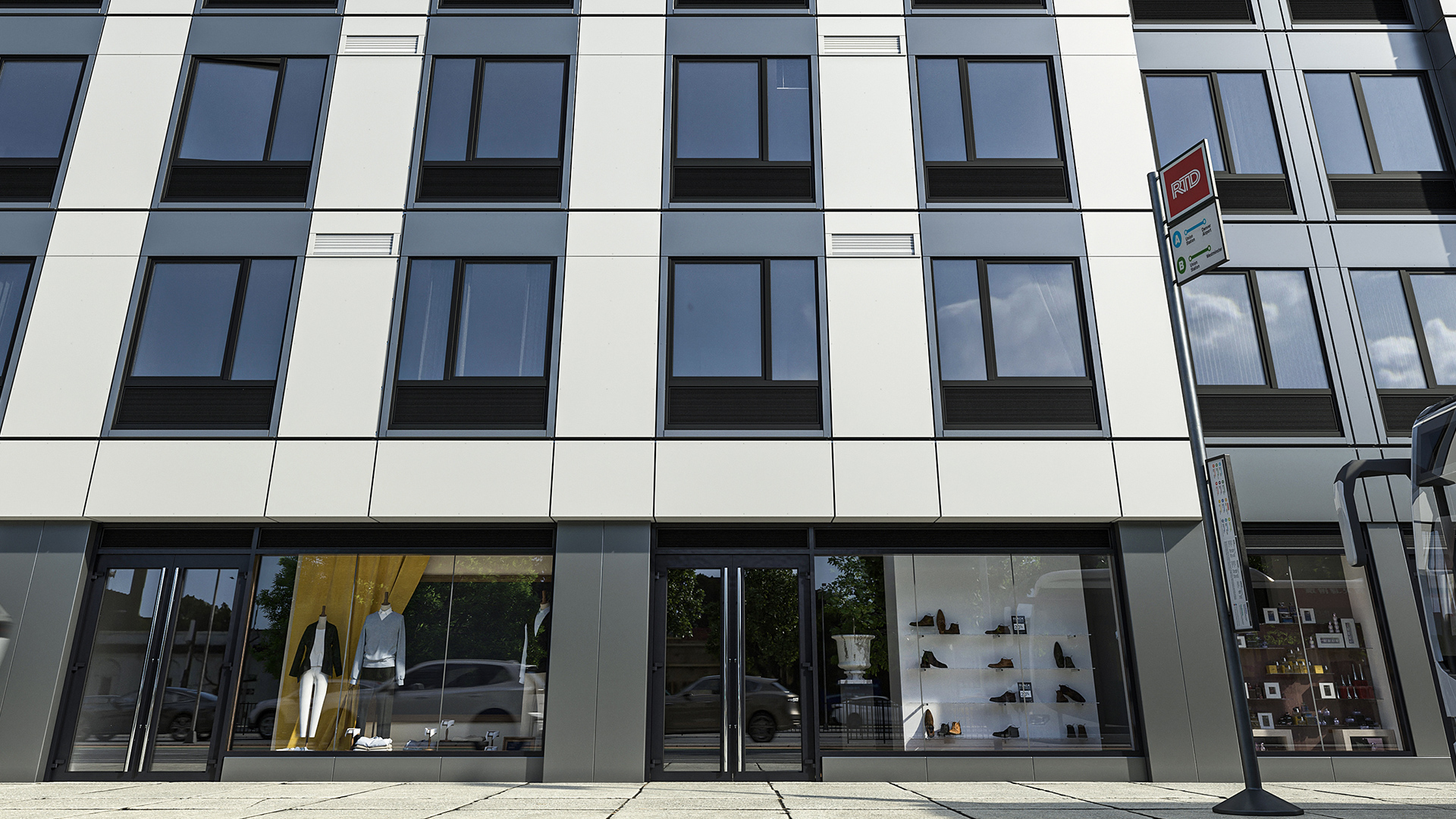
AGACAD automates fabrication-level curtain wall detailing in Revit — from LOD 200 framing to LOD 400 shop drawings and CNC-ready output. Kora Studio automates design-phase facade iteration in Revit — from LOD 100 concept exploration to LOD 300 coordinated documentation. Both plugins work inside Revit, both handle curtain walls, but AGACAD and Kora Studio serve completely different project phases.
Architecture teams that confuse these phases waste time and budget. Teams that buy AGACAD expecting faster early design exploration find fabrication-level detail slowing them down when the facade concept is still changing. Teams that dismiss Kora Studio because they need LOD 400 output overlook the design-phase speed Kora Studio provides before fabrication begins. This article breaks down where AGACAD and Kora Studio each fit in a facade project timeline.
What AGACAD Does (and Does Well)
AGACAD Curtain Walls & Panels — now part of Arkance, serving over 13,000 clients in 130 countries — automates the transition from LOD 200 schematic curtain wall models to LOD 400 fabrication-ready documentation inside Revit. Autodesk recognizes AGACAD as an AEC Industry Partner because AGACAD handles framing automation that would otherwise take engineering teams days to complete manually.
AGACAD's core capability involves inserting hundreds of mullions, transoms, glass holders, pressure plates, insulators, and connection brackets into Revit curtain wall models — automatically, following pre-defined framing rules. Once the curtain wall system design is finalized and the project moves toward construction documentation, AGACAD generates shop drawings, bills of materials, and CNC-ready output without requiring manual assembly of each component.
For fabricators and detailed engineering teams working at LOD 400, AGACAD is genuinely powerful. AGACAD produces completed curtain wall documentation at construction detail level faster than any manual Revit workflow.
The Phase AGACAD Wasn't Built For
Most architecture teams lose the largest share of project time during early design — not during fabrication documentation. Clients change facade direction mid-week. Principals request different panel rhythms. The facade concept that passed review on Tuesday gets revised on Thursday, forcing the team to rebuild curtain wall grids, fix annotation tags, and repair schedules that no longer match the Revit model. For teams searching for the fastest way to design facades in Revit without that rework cycle, fabrication-level tooling does not solve the problem.
AGACAD's value activates after design decisions are finalized — not while architects are still testing facade options. When a team is exploring three different panel configurations, iterating on material zones, or validating whether a curtain wall system is buildable before committing to construction documents, AGACAD's LOD 400 level of detail creates overhead rather than speed.
What Kora Studio Does Instead
Kora Studio is a Revit-native facade design workflow built for the phase AGACAD does not cover — LOD 100 through LOD 300 design iteration. Kora Studio does not generate LOD 400 shop drawings. Kora Studio keeps facade design fast, coordinated, and buildability-aware while architects are still testing and refining the facade direction inside Revit.
Kora Studio's three core tools — Grid Editor, Window Editor, and Panel Editor — solve different parts of the design-phase problem directly inside Revit. Kora Studio Grid Editor controls panel spacing and module rhythm across the facade. Kora Studio Panel Editor applies material zones and swaps configurations across hundreds of panels simultaneously. Kora Studio Window Editor manages opening placement, sizes, and parameters. Together, these three editors keep the Revit model coordinated without requiring architects to rebuild documentation after each facade change.
Architecture teams using Kora Studio report 68% faster design iterations, 84% fewer RFIs, and $42,000 saved per project on average — with savings scaling based on curtain wall scope, number of design iterations, and team size. Most of those $42,000 savings come from catching buildability problems during the design phase — before buildability issues escalate into late-stage redesigns, coordination failures between trades, and the rework that follows. Kora Studio does not eliminate design changes; Kora Studio makes each change cheaper to absorb because the Revit model stays coordinated automatically.
The design-to-fabrication gap article on the Kora Studio blog explains how design-phase coordination connects to fabrication handoffs in practice.
Monday Redesign — A Real Scenario
On a mid-rise multifamily project, an architect presents three facade directions on Monday. The principal picks one direction but requests a different module cadence and a revised material break at floors 4 and 8. In a standard Revit curtain wall workflow without Kora Studio, that scope change typically consumes half a day: redrawing grids, retagging panels, repairing schedules, cleaning up documentation that no longer reflects the model.
With Kora Studio, the same facade iteration takes minutes instead of hours. Kora Studio Grid Editor updates module spacing across all affected elevations. Kora Studio Panel Editor applies the revised material zone to floors 4 through 8. The Revit model stays coordinated, and documentation updates automatically. The facade design in Revit guide on the Kora Studio blog covers exactly this type of mid-design scenario — fast iteration without losing creative control over the facade.
AGACAD becomes relevant the following week — once the confirmed facade direction moves into fabrication-ready LOD 400 detail. AGACAD and Kora Studio serve different weeks on the same project timeline.
AGACAD vs Kora Studio — At a Glance
- Best for: AGACAD — fabrication detailing (LOD 400) / Kora Studio — design-phase iteration (LOD 100–300)
- LOD range: AGACAD — LOD 200 → LOD 400 / Kora Studio — LOD 100 → LOD 300
- Primary users: AGACAD — fabricators, engineering teams / Kora Studio — architects, designers, BIM managers
- Typical output: AGACAD — shop drawings, BOMs, CNC files / Kora Studio — coordinated design model, automated schedules
- When each tool helps: AGACAD — facade system decided, moving to construction / Kora Studio — facade system still being tested and refined
Can You Use Both?
On larger facade projects, using both Kora Studio and AGACAD sequentially is often the most effective approach. Kora Studio handles the concept-to-fabrication workflow on the design side — fast iteration, buildability validation, and model coordination from LOD 100 through LOD 300. Once the facade direction is confirmed, AGACAD handles the transition from LOD 300 to LOD 400 fabrication documentation.
Kora Studio and AGACAD are sequential tools, not competing tools. Kora Studio helps architecture teams reach a confirmed, buildability-validated facade direction faster. AGACAD takes that confirmed direction and produces manufacturing-ready shop drawings, BOMs, and CNC output. For architects at firms where fabrication detailing is handled by a specialist subcontractor or facade consultant, Kora Studio may cover everything the design team needs. The Kora Studio use-cases page shows how architecture teams structure sequential design-to-fabrication workflows.
Which One Is Right for You?
Choose AGACAD if the architecture team is past the design phase and needs fabrication-level curtain wall documentation — LOD 400 framing, shop drawings, BOM generation, and CNC output. AGACAD is purpose-built for the fabrication-to-construction transition.
Choose Kora Studio if the team is in early or mid-design, still testing facade directions, and losing hours to iterations that break the Revit model. The Revit add-ins for architects comparison on the Kora Studio blog covers how different tools fit different workflow phases.
For teams unsure which project phase applies, or teams that want to see how Kora Studio handles a real facade project inside Revit — booking a Kora Studio demo takes 30 minutes and typically answers the question.
FAQ
Is Kora Studio a fabrication tool like AGACAD?
No. Kora Studio is designed for the design phase — fast facade iteration, buildability awareness, and coordinated Revit documentation while architects are still developing the facade direction. AGACAD handles fabrication-level LOD 400 detail once the facade system design is finalized.
Can architecture teams use both Kora Studio and AGACAD on the same project?
Yes. On larger facade projects, Kora Studio covers design iteration from LOD 100 through a confirmed facade direction at LOD 300. AGACAD takes over for LOD 400 detailing — shop drawings, BOMs, and fabrication output. Kora Studio and AGACAD work sequentially, not in competition.
What is LOD 400 and does Kora Studio support LOD 400?
LOD 400 means fabrication-level detail — every curtain wall component modeled to manufacturing specification, ready for shop drawing production and installation coordination. Kora Studio works at LOD 100 through LOD 300, supporting design decisions and model coordination rather than fabrication documentation.
Who is Kora Studio designed for?
Kora Studio is designed for architects, designers, and BIM managers working on facade-heavy projects — multifamily residential, mixed-use developments, and large curtain wall scopes — who need faster design iterations inside Revit without losing creative control. The full list of Kora Studio use cases is on the Kora website.
What happens to a Kora Studio model when a project moves to fabrication?
Kora Studio produces a coordinated Revit model with accurate facade geometry, panel scheduling data, and material specifications. A fabrication team can take that coordinated Revit model forward using AGACAD or other LOD 400 tools without rebuilding the facade from scratch. The Revit-to-build-ready article on the Kora Studio blog explains how the design-to-fabrication handoff works.