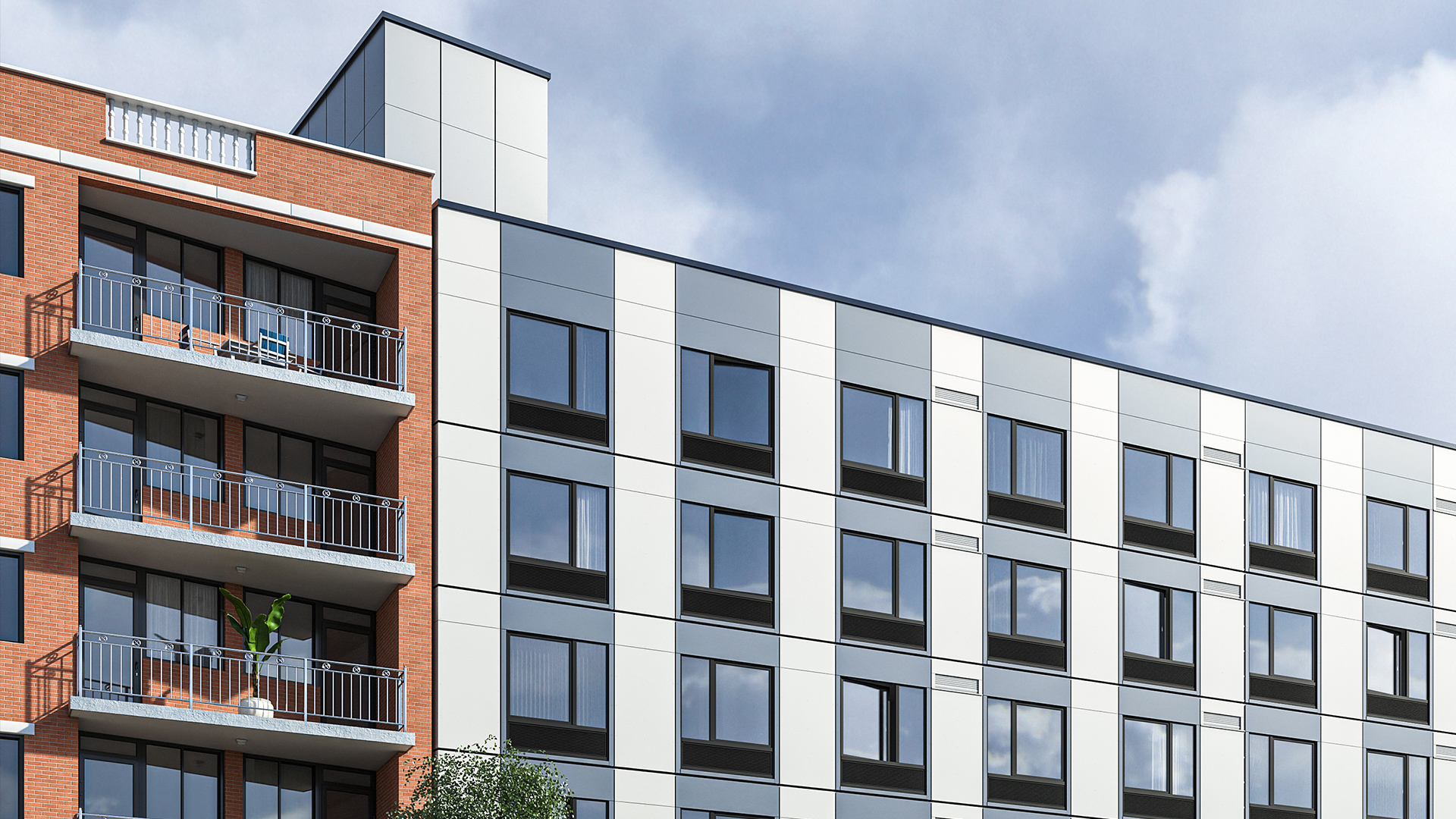
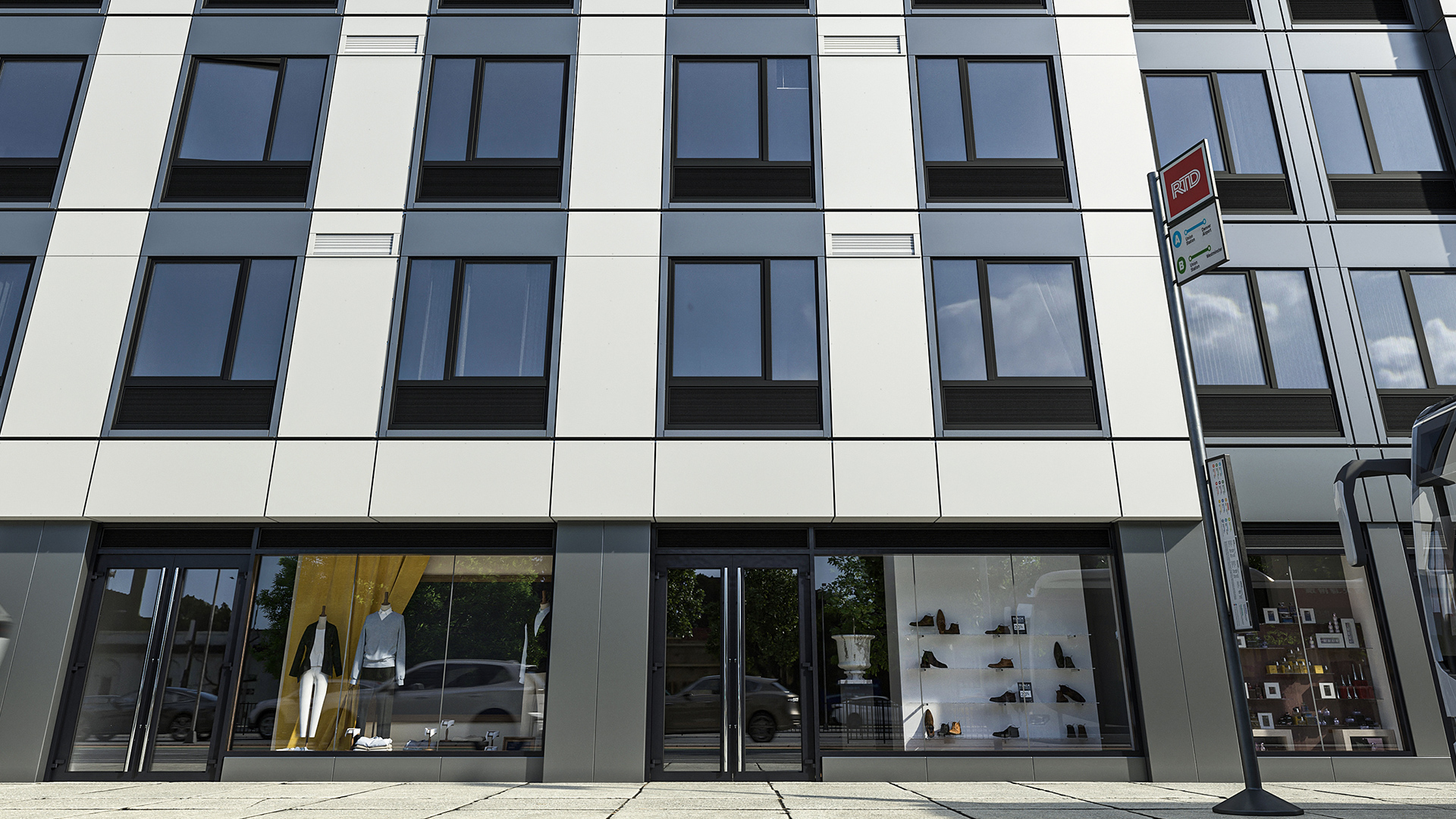
From Revit to Build-Ready: Closing the Design-to-Fabrication Gap in Façade Projects

Subtitle: How to reduce handoffs, cut RFIs, and deliver façade packages with real certainty—without slowing down design.

Table of contents

Subscribe to our newsletter

Thank you! Your submission has been received!
Oops! Something went wrong while submitting the form.
Design to Fabrication
pyRevit vs Kora Studio: Facade Design Workflow or General Revit Productivity?
pyRevit is a free, open-source Revit extension that speeds up general tasks — sheets, parameters, selections, audits. Kora Studio is a facade-specific workflow that speeds up panel iteration, material zones, and model coordination. Different problems at different scales.
Design to Fabrication
Snaptrude vs Kora Studio: Facade Workflow in Revit or Conceptual BIM Platform?
Snaptrude handles whole-building conceptual design in the cloud before a project reaches Revit. Kora Studio handles facade-specific iteration inside Revit once the project is there. One is broad and early. The other is specialized and mid-design.

The Gap That Costs Money

Most envelope overruns happen between intent and fabrication: missing assumptions, late constructability issues, and documentation drift.

Why Handoffs Break Projects

Every handoff is a translation. Translations introduce drift—details, tolerances, and panel logic get reinterpreted downstream.

What Build-Ready Means

Decision-ready models and documents: coordinated logic for panelization, details, compliance signals, and stable documentation connections.

How Kora Studio Helps

Kora Studio keeps modeling, validation, and documentation connected inside Revit so changes propagate cleanly and deliverables stay aligned.

Seamless Switching + Real-Time Validation

Teams can iterate on materials and panelization without rebuilds while checks update as the design evolves.

Bottom Line

Close the gap earlier, reduce RFIs and rework, and deliver with certainty—without sacrificing design flexibility.

What does build-ready mean?

Coordinated model + documentation that supports decisions on panelization, details, tolerances, and compliance without major redesign.

How do you reduce RFIs?

Embed checks early, reduce handoff translations, and keep documentation tied to system logic.

Why does documentation take so long?

Because changes break sections/tags/schedules; automation and system modeling reduce cleanup.

Can teams stay flexible?

Yes—system logic plus seamless switching supports iteration while keeping outputs coordinated.

Book a Demo

See how Kora Studio transforms façade design into build-ready deliverables in minutes.

Latest Insights

Design to Fabrication

AGACAD vs Kora Studio: Which Revit Facade Plugin Do You Need?

AGACAD and Kora Studio both work inside Revit, both handle curtain walls — but they serve completely different project phases. AGACAD produces LOD 400 fabrication documentation. Kora Studio accelerates LOD 100–300 design iteration. Choosing the wrong one costs weeks.
Revit Workflows

Best Revit Add-ins for Architects: Productivity Tools vs Façade Workflow Systems

Not all add-ins solve the same problem. Here’s why façades need a workflow layer like Kora.
Design to Fabrication

Dynamo vs Kora Studio for Revit: Facade Workflow or Visual Scripting?

Dynamo gives Revit users powerful visual scripting for custom automation — including facade panelization. Kora Studio gives architects a guided facade workflow inside Revit without writing a single node. Different tools, different skill requirements, different maintenance costs.