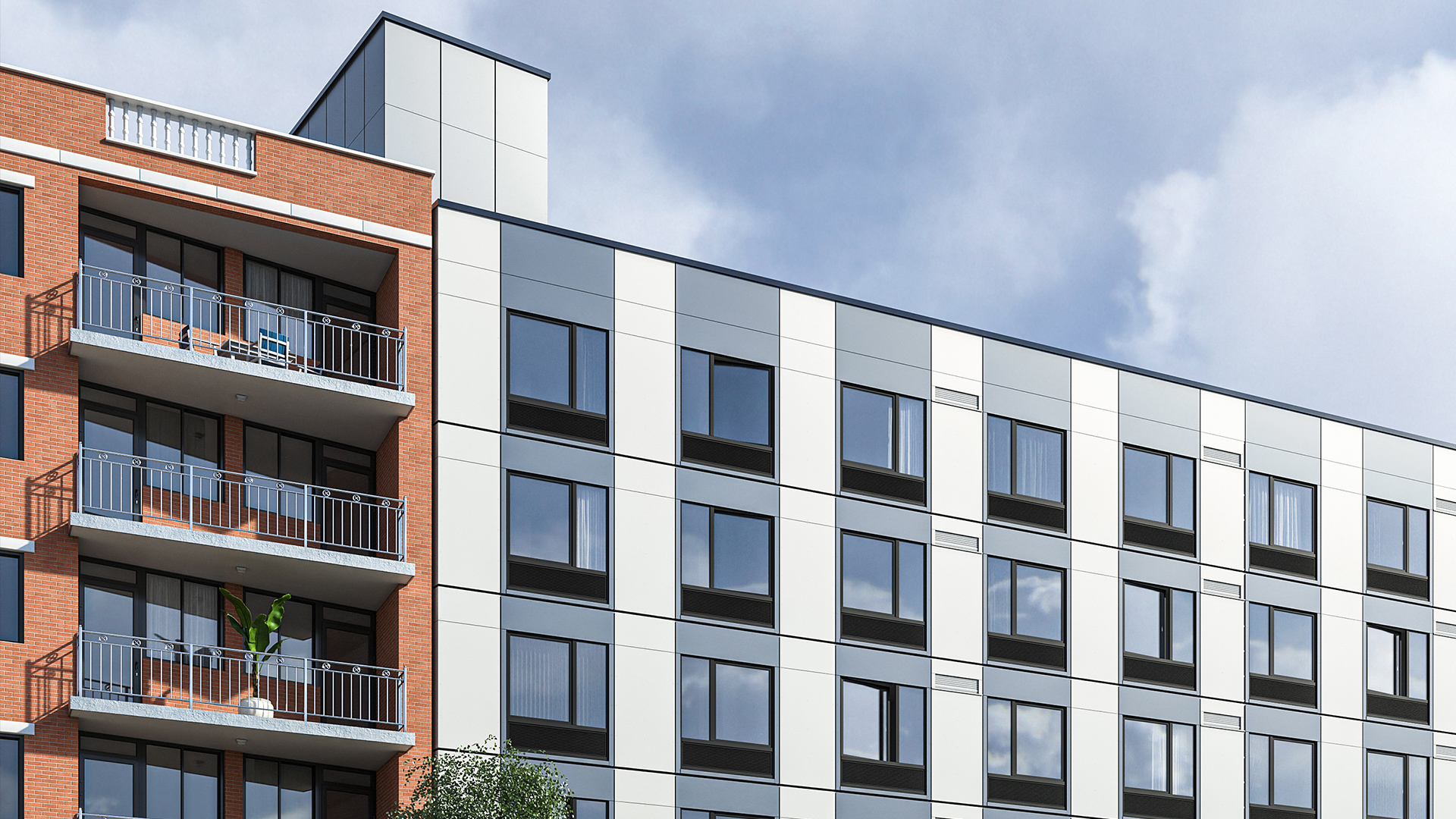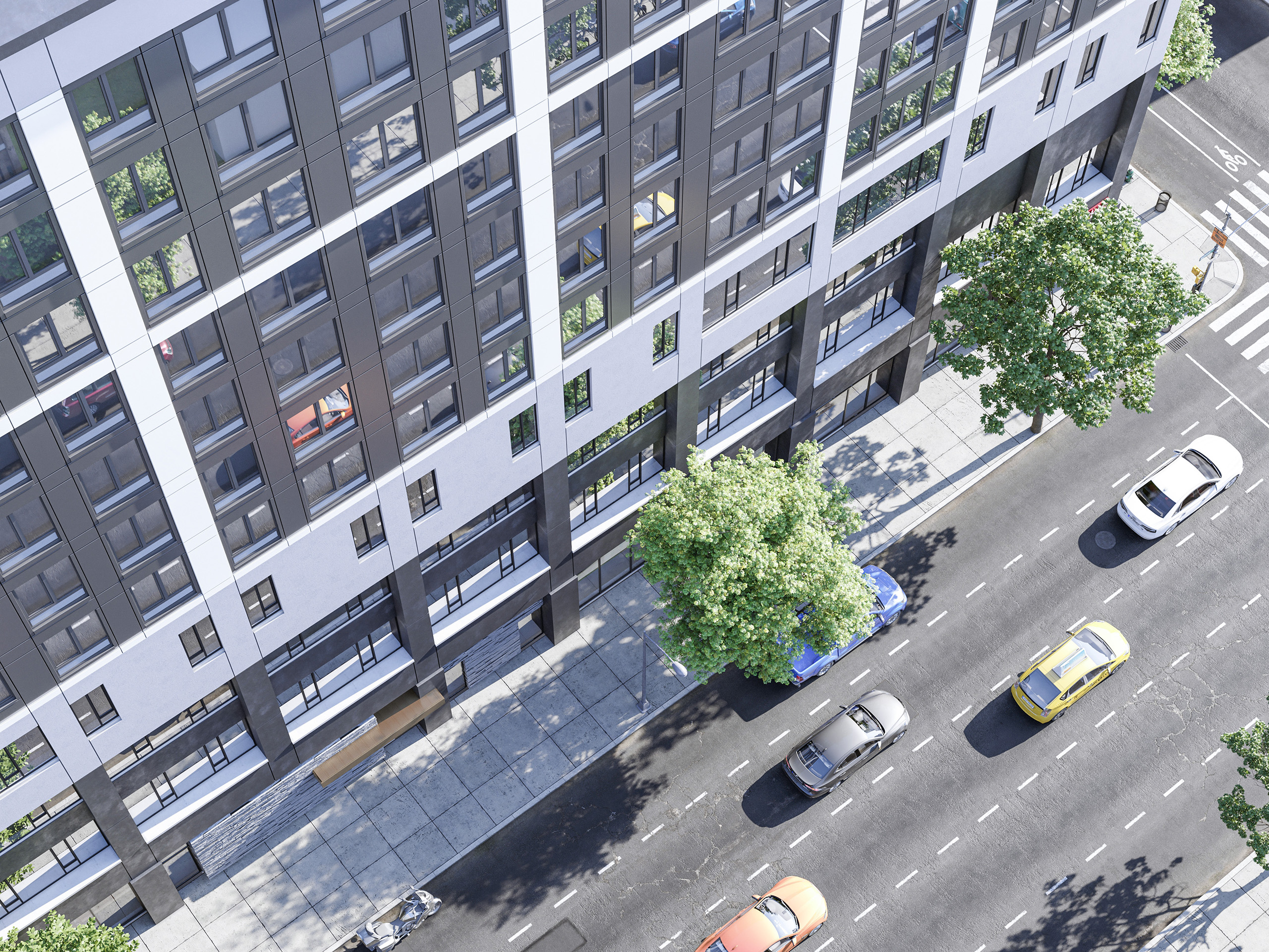
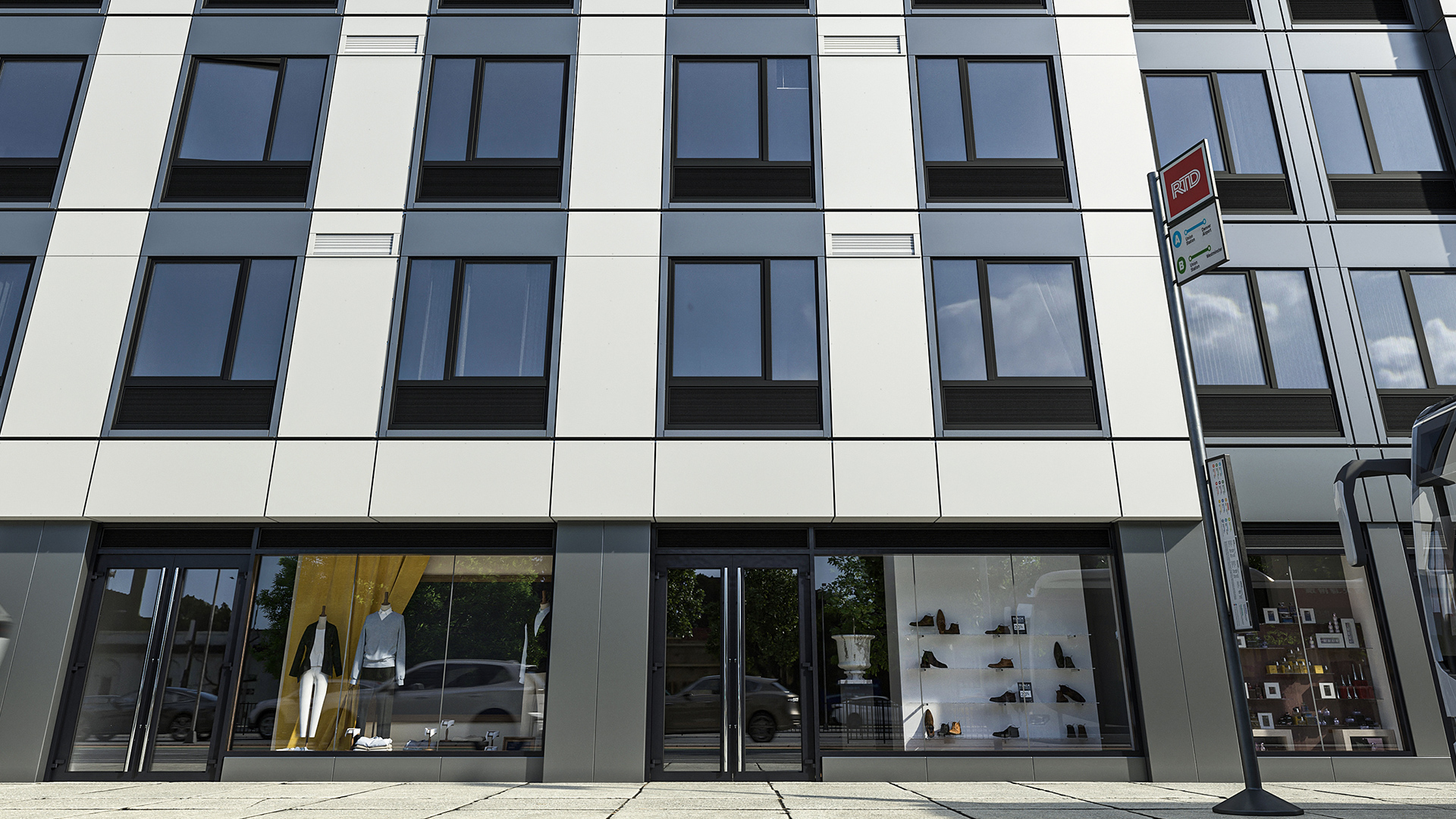
Prefab Without Compromise: Keeping Design Freedom in Industrialized Construction

The prefab stigma is outdated. Here’s what modern façade delivery looks like when architects stay in control

Table of contents

Subscribe to our newsletter

Thank you! Your submission has been received!
Oops! Something went wrong while submitting the form.
Design to Fabrication
The Hidden Cost of Facade Rework in Multifamily Design Projects
Late-stage facade changes cascade through structural coordination, scheduling, and fabrication sequences. The cost doesn't show up as a single invoice — it accumulates across the project in ways that are hard to track until the budget is already overrun.
Design to Fabrication
Kora Studio vs Manual Revit Facade Modeling: Time, Cost, and Accuracy Compared
Manual facade modeling in Revit is workable for simple, low-iteration projects. At scale — larger facades, more design rounds, mixed panel types — the overhead compounds. This comparison breaks down where the time goes and what changes when the workflow is automated.

Why the Prefab Stigma Exists

Prefab feels restrictive when it shows up late and forces simplification. The issue isn’t prefabrication—it’s timing and workflow.

Standard Parts, Non-Standard Designs

Repeatable components don’t require repetitive architecture. When rules are clear, variation is easier to coordinate and document.

What Architects Should Demand

Material flexibility, control of modules/joints/reveals, early performance visibility, and a workflow that doesn’t require redesign later.

Where Kora Studio Fits

Kora Studio supports design-led industrialized construction by embedding buildability and validation inside Revit while preserving authorship.

Sustainability Is Process Too

Less rework means less waste. Earlier coordination and better envelope performance reduce environmental impact.

Not Locked In

A coordinated design should support prefab or traditional delivery without starting over. Kora Studio keeps that optionality.

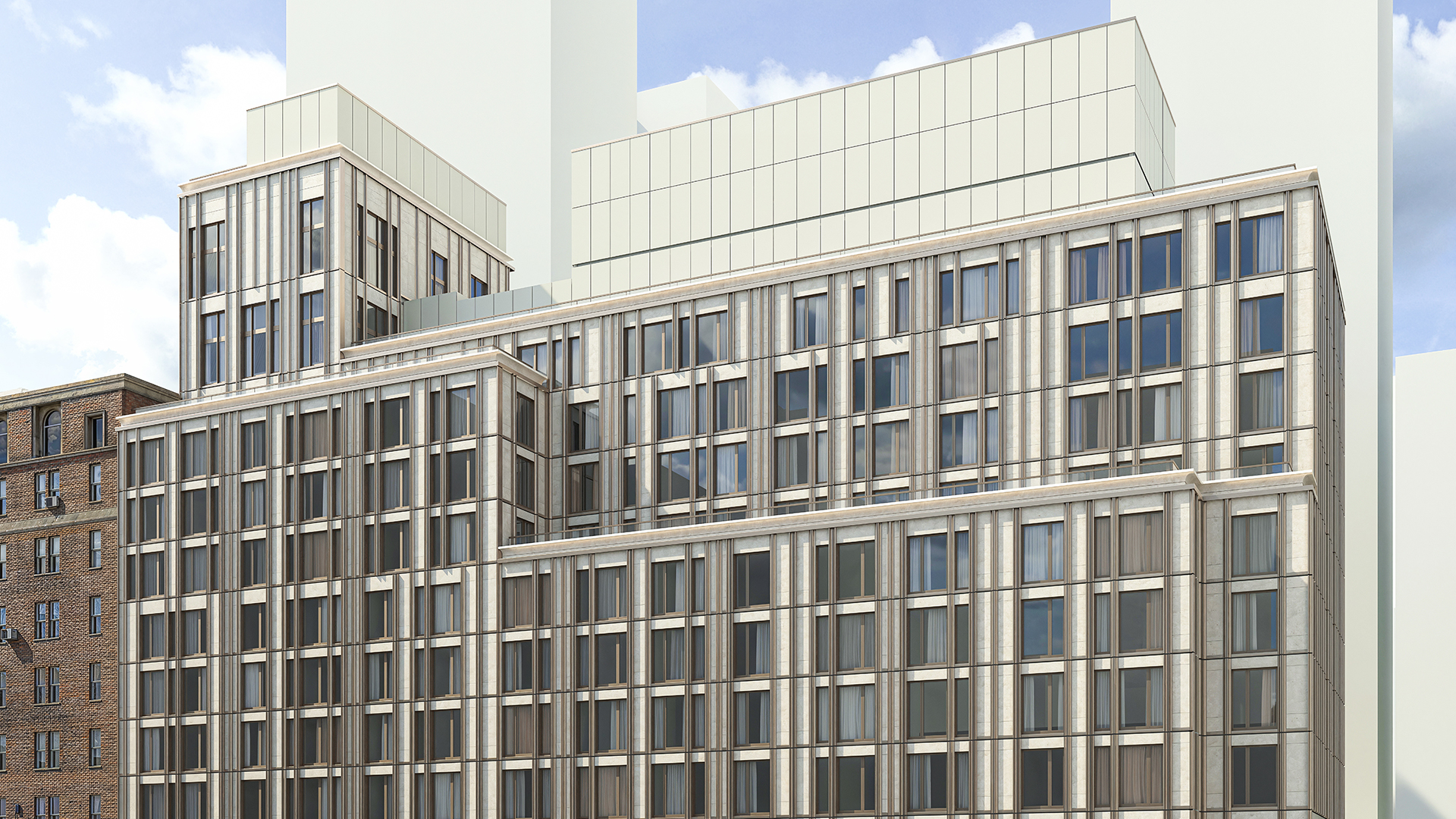
Does prefabrication limit design?

Not inherently. It can support bespoke work when architects control systems early.

Why does prefab feel generic?

Because it's often introduced late and forces simplification under schedule pressure.

Can one design support prefab or traditional?

Yes—if the model and documentation are coordinated and system-based.

Is IC more sustainable?

It can be, due to less waste, fewer redraw cycles, and better performance outcomes.

Book a Demo

See how Kora Studio transforms façade design into build-ready deliverables in minutes.

Latest Insights

Design to Fabrication

AGACAD vs Kora Studio: Which Revit Facade Plugin Do You Need?

AGACAD and Kora Studio both work inside Revit, both handle curtain walls — but they serve completely different project phases. AGACAD produces LOD 400 fabrication documentation. Kora Studio accelerates LOD 100–300 design iteration. Choosing the wrong one costs weeks.
Revit Workflows

Best Revit Add-ins for Architects: Productivity Tools vs Façade Workflow Systems

Not all add-ins solve the same problem. Here’s why façades need a workflow layer like Kora.
Design to Fabrication

Best Revit Plugins for Facade Design in 2026: An Architect's Comparison

Five Revit plugins for facade design compared — what each tool does, which project phase it covers, and how to choose based on your workflow. No one plugin fits every project type.