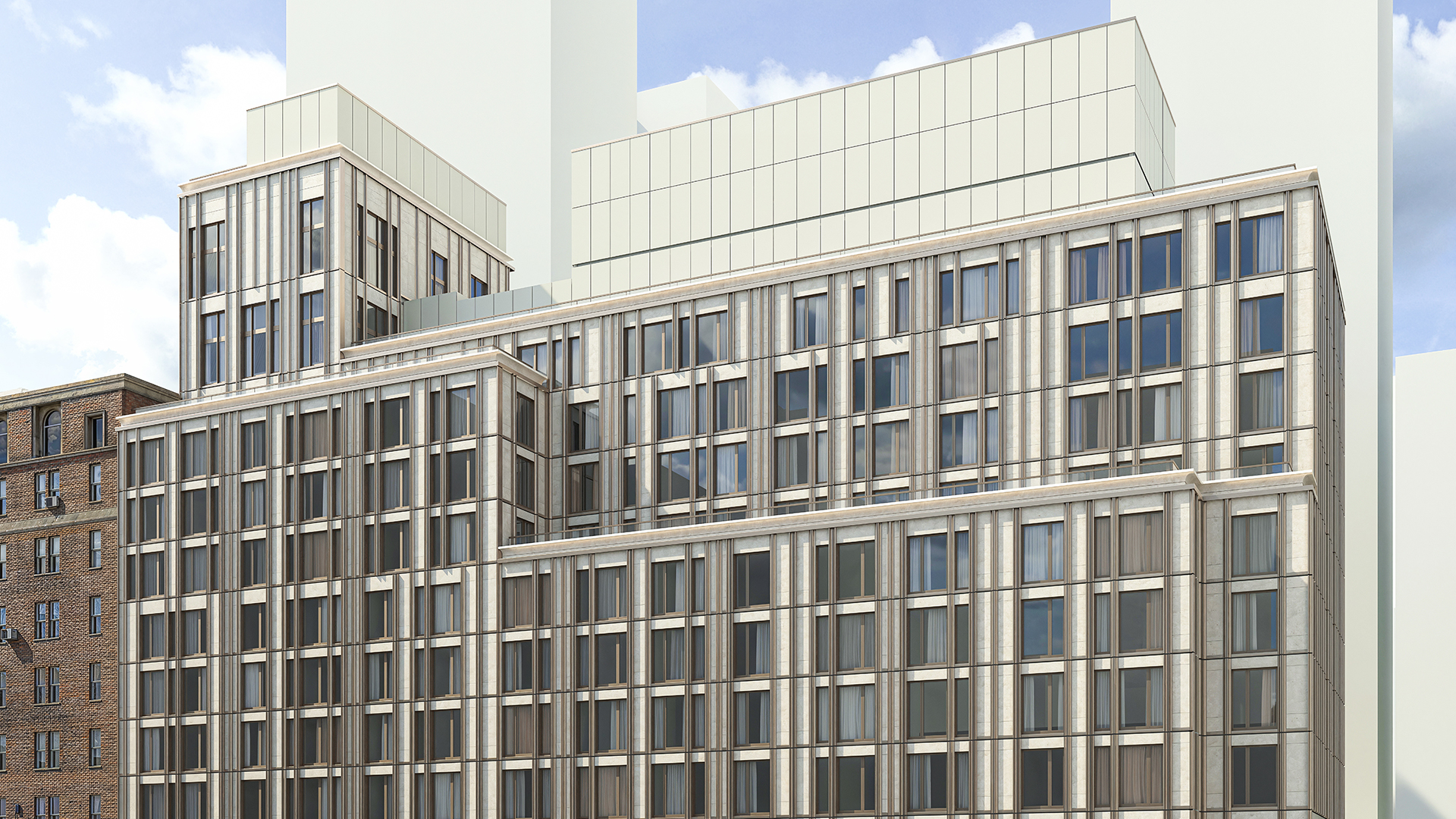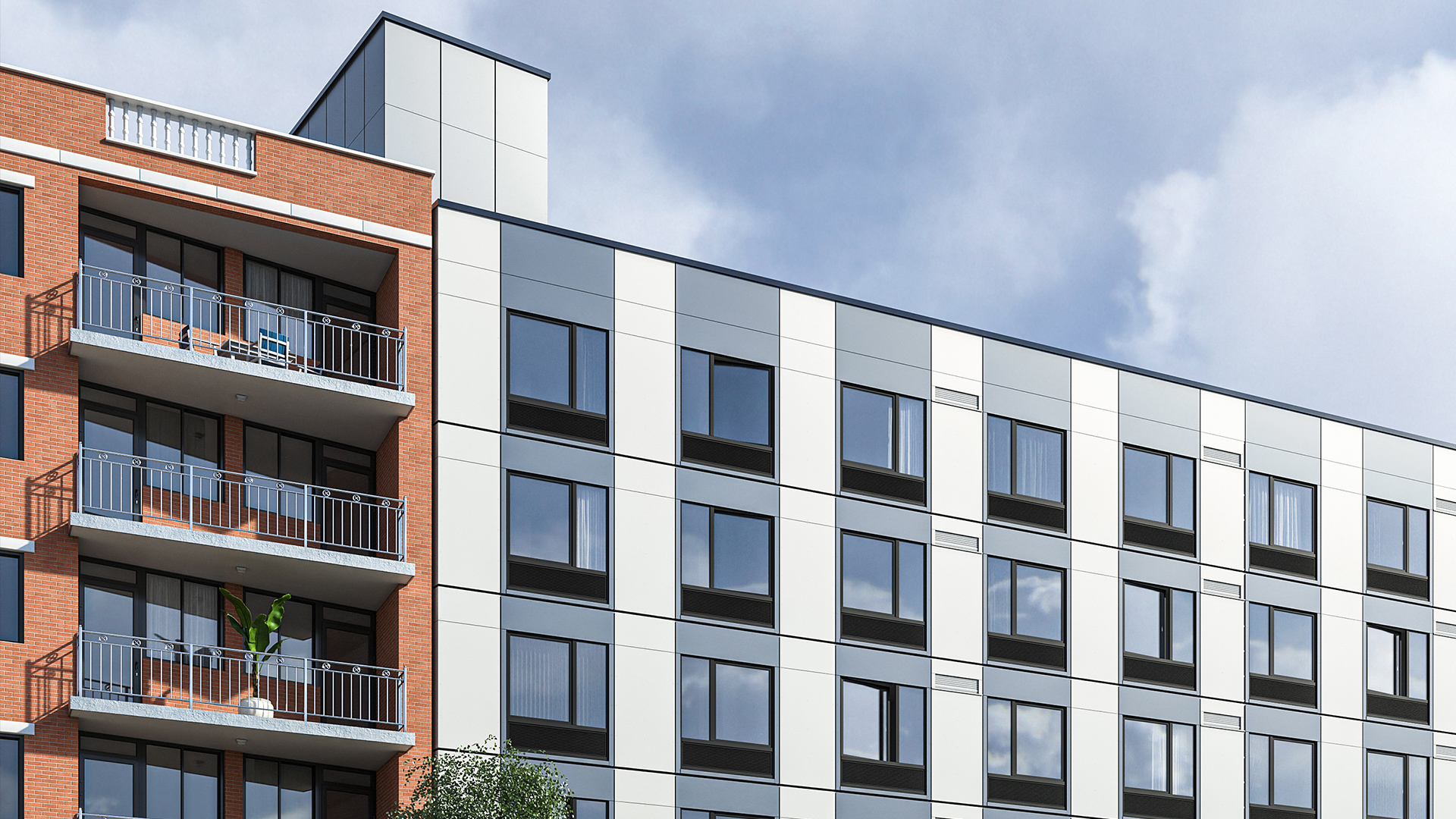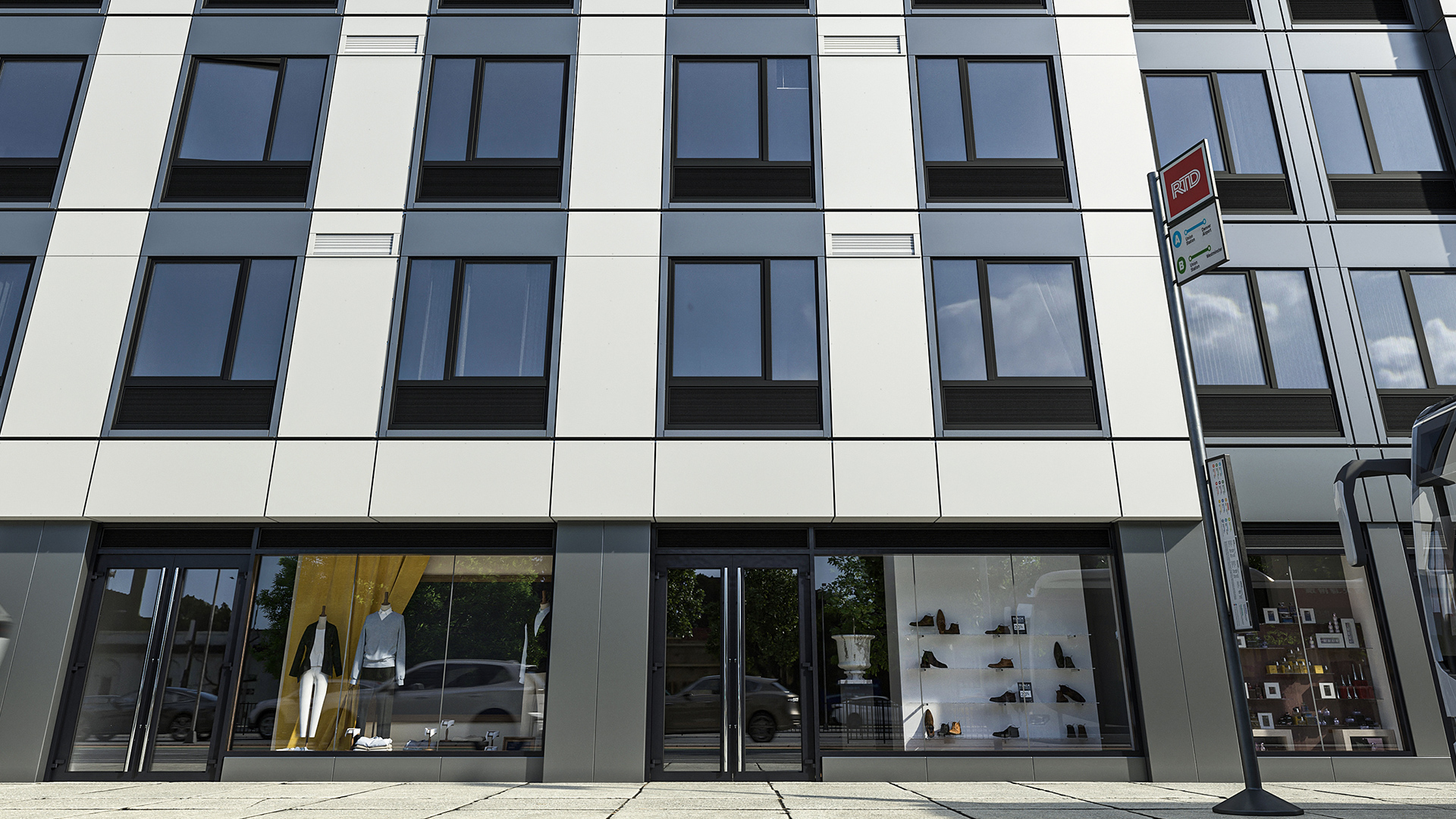
LOD 300 and LOD 400 are not consecutive steps in a single escalation — they mark a formal handoff between architect and fabricator. LOD 300 is the architect's deliverable: design intent locked, geometry measurable, dimensions contractually reliable. LOD 400 is the fabricator's: manufacturer-specific, shop-drawing ready, production-authorized. The line between them is not about how much detail is in the model. It's about who owns the model element and what they're authorized to do with it.
LOD 300 and LOD 400 Are Not Points on a Spectrum — They Are a Handoff
LOD 300 elements carry measurable quantity, size, shape, location, and orientation — the level at which architects generate construction documents and permit submissions. Dimensions can be taken directly from the model without separate call-outs. Contractors, consultants, and building departments can contractually rely on what is modeled. For a full overview of the LOD scale from 100 through 400, see LOD 100, 200, 300, and 400 explained.
LOD 400 adds the fabrication layer: bolt hole locations, weld plate dimensions, hanger assembly specifications, and manufacturer part numbers. At LOD 400, shop drawing production is possible. So is prefabrication.
The BIM Forum Level of Development Specification treats LOD and responsibility as separate variables — a critical distinction. AIA Contract Document G202™ formalizes this through the Model Element Table, which assigns LOD targets and responsible parties per element, per project phase. The architect develops to LOD 300. The fabricator or contractor advances those elements to LOD 400 — after the design is frozen and a manufacturer is selected.
Teams that conflate the two end up with architects producing fabrication detail during design development: the wrong party, the wrong information, at the wrong time.
LOD 350 — The Coordination Threshold BIM Forum Added for Exactly This Problem
LOD 350 is not LOD 300 with more geometry. BIM Forum introduced LOD 350 in the 2013 LOD Specification to fill a specific gap: LOD 300 leaves system interfaces ambiguous, while LOD 400 requires manufacturer data that only becomes available after a fabricator is selected. LOD 350 sits between the two and defines what must be resolved before fabrication modeling begins.
For facade and curtain wall systems, LOD 350 locks in:
- Anchor point locations relative to the structural frame
- Thermal break positions and edge-of-slab conditions
- Transitions to floor and roof assemblies
- Connections to adjacent building systems — cladding transitions, parapet details, window-to-wall interfaces
LOD 350 coordination requires input from both the architect and the facade contractor. It does not require a manufacturer selection — that's the point. LOD 350 defines what needs to be resolved before fabrication begins, without requiring the fabricator to have been chosen. Leaving LOD 350 undefined in the BIM Execution Plan typically means those interface decisions get resolved during shop drawing review — the most expensive place to find them.
What Goes Wrong When Architects Are Pushed to Produce LOD 400
The failure pattern is predictable. A compressed schedule pushes the facade team to LOD 400 during design development, before schematic design is approved by the owner. To model at LOD 400, the team links the Revit model to a specific manufacturer's component catalog: panel profiles, anchor configurations, hardware specifications. At that point, the model is no longer a generic curtain wall system — it's a documented commitment to one manufacturer's product line.
When the design changes — and on complex facades, it usually does — three things happen simultaneously. Shop drawings become obsolete. The fabrication sequence needs to be rebuilt from different panel geometry. Procurement re-opens. These are not sequential problems; they happen in parallel and multiply each other.
That rework is not caused by the design — it's generated by an LOD sequencing decision made weeks or months earlier.
The LOD 400 Timing Problem Is Worst on Unitized Curtain Wall
Unitized curtain wall systems — fabricated off-site and installed as complete floor-to-floor panels — require LOD 400 before production begins. Each panel is a discrete manufactured component: the factory needs exact dimensions, anchor locations, and hardware specifications before cutting aluminum extrusions. That production requirement creates schedule pressure to reach LOD 400 early.
The problem is that "early" and "before design approval" are not the same thing. Large-scale unitized curtain wall projects typically carry fabrication lead times of 6–12 months. That lead time creates pressure to lock in panel specifications before the owner has signed off on the facade design. A module height change, a material zone shift, or a floor plate adjustment at that stage means rebuilding the fabrication model from scratch — not revising it.
For how this sequencing risk plays out across project phases, see what LOD architects actually need.
How to Sequence LOD on a Facade Project Without Getting Burned
The correct sequencing aligns LOD escalation with decision authority — not schedule pressure. For a full project-phase breakdown, see what LOD architects actually need at each stage.
- Schematic Design: LOD 100–200. Massing, approximate layout, no manufacturer commitment. Facade rhythm, module proportions, and material zone logic explored without locking anything in.
- Design Development: LOD 200–300. System type committed — unitized vs. stick-built — dimension grid established, material assignments confirmed. The architect owns this output.
- Construction Documents / Permit: LOD 300. Measurable geometry, precise dimensions, contractually reliable. Sufficient for permit submission and consultant coordination.
- Pre-Fabrication Coordination: LOD 350. System interfaces resolved between architect and facade contractor. Anchor locations, slab edge conditions, and adjacent assembly transitions locked in. No manufacturer selection required yet.
- Fabrication: LOD 400. Fabricator's deliverable, produced after the design is frozen and the manufacturer is selected.
The BIM Execution Plan should assign LOD targets per element, per phase, and per responsible party — explicitly. Leaving any of those three variables unassigned creates the conditions for premature escalation.
Designing Facade Systems at LOD 100 Makes the LOD 300 Handoff Cleaner
Some facade teams have restructured their workflow to stay deliberately at LOD 100 through schematic design — keeping the model fast, flexible, and manufacturer-neutral until the design direction is approved.
Kora Studio — a Revit-native facade design plugin — is built around this approach. Kora Studio Grid Editor defines panel spacing, floor-to-floor module heights, and cladding zones inside Revit using formula-driven dimension fields, without linking to any manufacturer's panel catalog. The facade schedule, material assignments, and panel layout update parametrically as the design evolves. The model stays coordinated without escalating to LOD 300 before the design is stable.
When schematic design is complete and the design direction is approved, the Kora Studio LOD 100 model becomes the foundation for LOD 300 construction documentation — not a throwaway file rebuilt from scratch. For the Revit curtain wall architecture the Kora workflow builds on, see curtain wall system and family setup in Revit.
If your facade team is spending construction document hours rebuilding schematic decisions, the issue is LOD sequencing — not the design itself. Book a demo to see what a LOD 100 facade workflow looks like inside Revit.
FAQ
Who is responsible for producing LOD 400 in BIM — the architect or the contractor?
LOD 400 is the fabricator's or contractor's deliverable, not the architect's. Architects develop model elements to LOD 300 — design intent with measurable geometry and confirmed specifications. Fabricators advance those elements to LOD 400 after a manufacturer is selected and the design is frozen. AIA Contract Document G202™ formalizes this division through the Model Element Table, which assigns LOD requirements and responsible parties per element and per project phase. Leaving this assignment ambiguous in the BIM Execution Plan is a common source of conflict during shop drawing review. For how LOD requirements map to facade project types, see Kora Studio's use cases.
Is LOD 350 required on every facade project?
LOD 350 is not universally required — it depends on what the BIM Execution Plan specifies. For facade and curtain wall systems, LOD 350 is strongly recommended because it defines system interfaces that LOD 300 leaves ambiguous: anchor point locations, edge-of-slab conditions, and connections to adjacent assemblies. Without LOD 350 coordination between architect and facade contractor, those interface decisions get pushed into shop drawing review — the most expensive place to resolve them.
Can a project skip LOD 350 and go directly from LOD 300 to LOD 400?
A project can skip LOD 350 formally, but the coordination work LOD 350 represents cannot be skipped — it surfaces somewhere. Without an explicit LOD 350 phase, system interface decisions typically get pushed into shop drawing review or resolved through RFIs during construction. For facade-heavy projects, skipping LOD 350 usually means the fabricator is resolving anchor conditions and slab edge details during production, which generates change orders rather than just RFIs.
What is the difference between LOD 400 and a shop drawing?
LOD 400 is a BIM model element — geometry inside Revit or equivalent BIM software — modeled to fabrication specification: precise dimensions, manufacturer components, and assembly details. A shop drawing is a 2D or 3D document produced from the LOD 400 model that shows exactly how a component will be manufactured and installed. LOD 400 is the digital model; the shop drawing is a derived output from that model used for fabricator review and owner approval. The two are related but not interchangeable — a LOD 400 model is the prerequisite for accurate shop drawings on unitized curtain wall systems.
How does premature LOD escalation affect facade procurement?
When a facade team models at LOD 400 before the design is approved, the model is built around a specific manufacturer's component catalog. If the design changes after that — a module height shift, a panel profile revision, a material zone adjustment — the fabrication model needs to be rebuilt against the new manufacturer specifications, not revised. Procurement re-opens, shop drawings become obsolete, and the fabrication sequence needs to be re-established. On unitized curtain wall projects, these consequences happen in parallel, which is why premature LOD escalation tends to generate disproportionate cost relative to the size of the design change that triggered it.