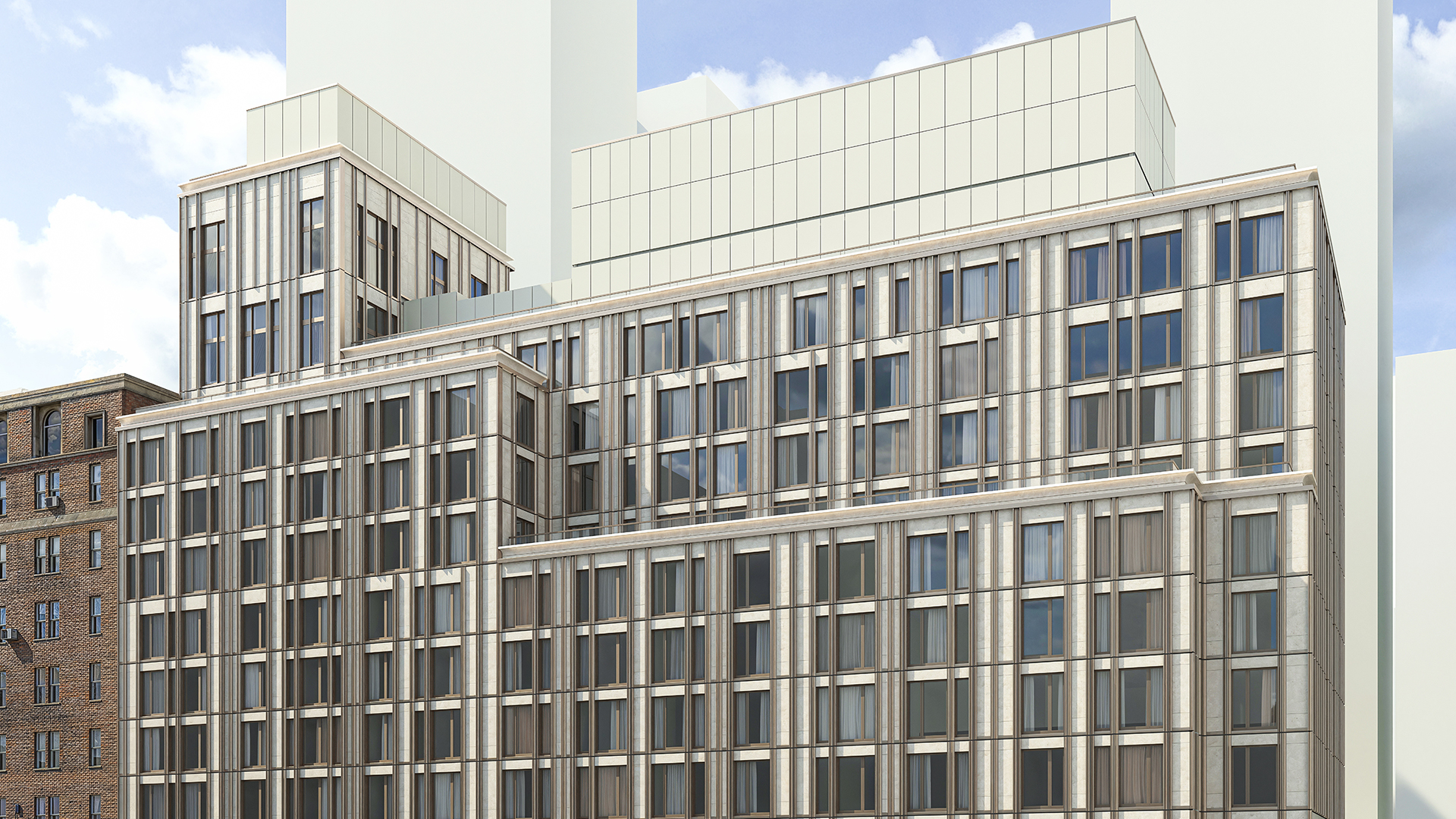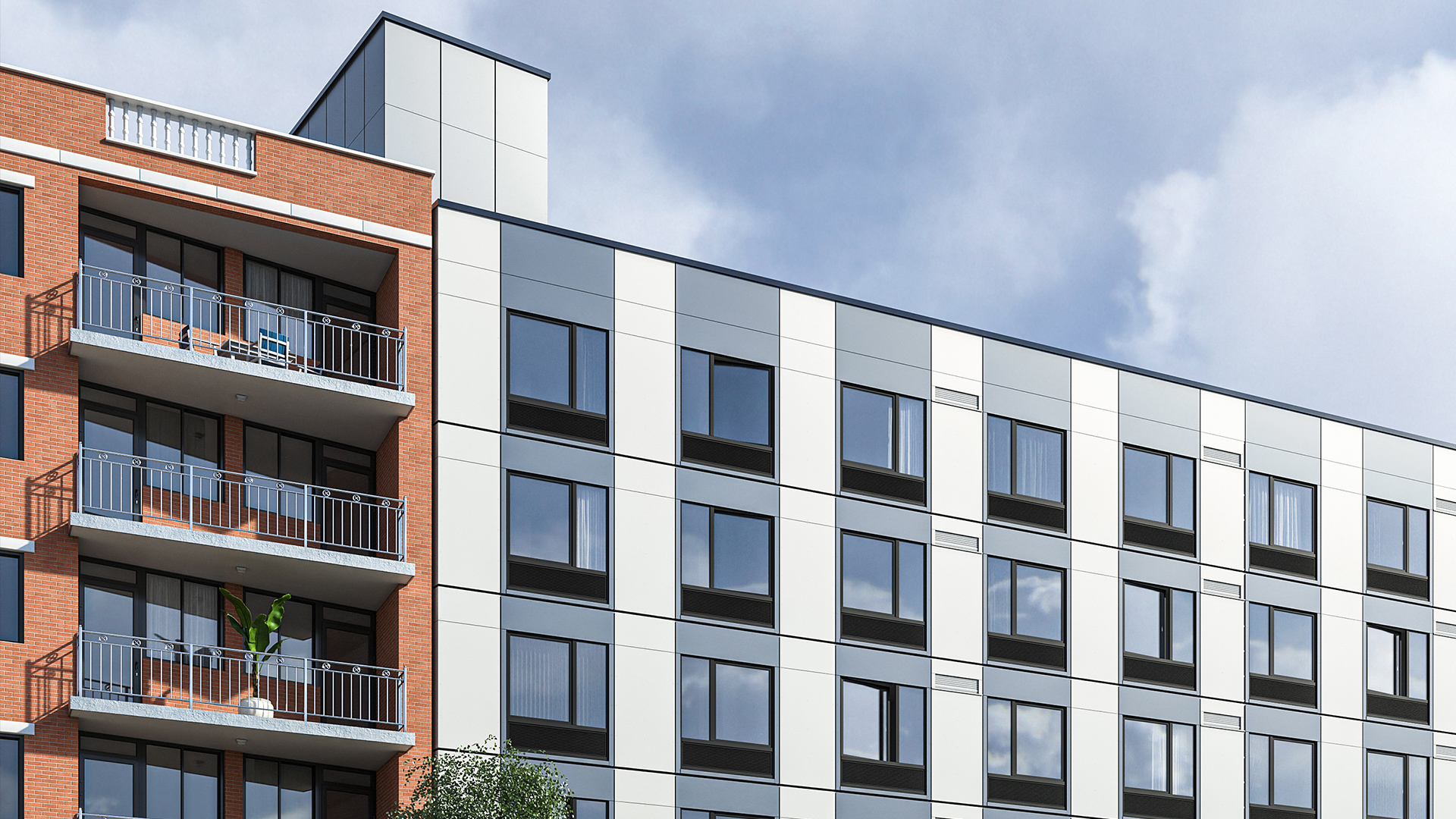

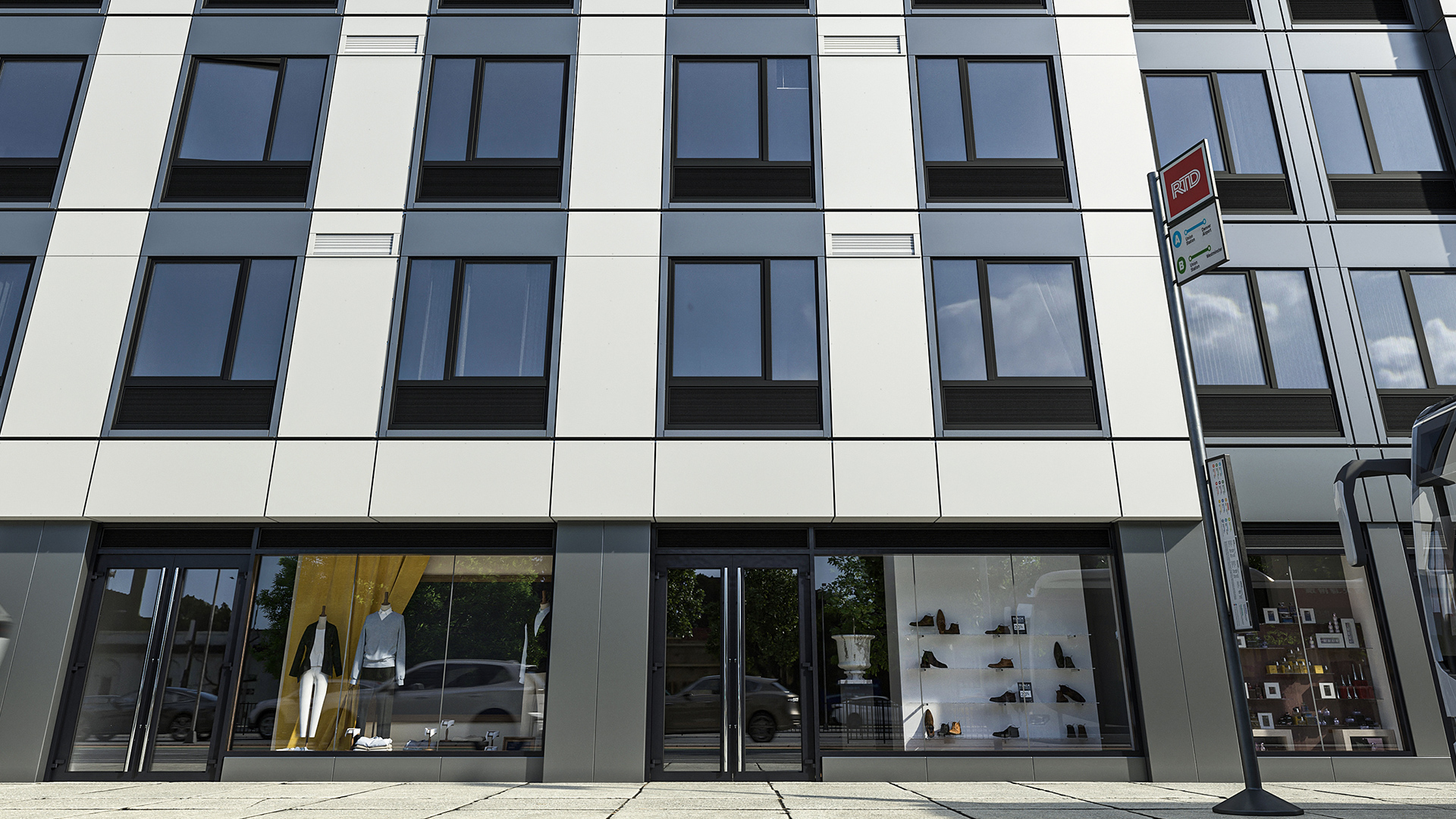
LOD — Level of Development — defines how much information architects and consultants can reliably draw from a BIM model element at each project phase. LOD 100 is conceptual massing; LOD 400 is fabrication-ready with manufacturer specifications. The level you assign determines which decisions are locked in — and which ones you can still change.
LOD vs. Level of Detail — a Distinction Worth Getting Right
Both terms appear in Revit workflows, project specifications, and BIM execution plans. They are not the same thing.
LOD — Level of Development — measures the reliability of information architects and engineers can draw from a model element. It answers one question: what can this element actually be used for? LOD is defined by the BIM Forum Level of Development Specification (2024) and referenced in AIA Contract Document G202™, which ties LOD requirements directly to project deliverables.
Level of Detail — sometimes written LoD — describes geometric complexity: how many vertices, how much surface geometry, how closely a shape resembles its physical counterpart. A highly detailed mesh can carry a low Level of Development if its dimensions are not verified. A simple box can hold LOD 300 status if it represents a precisely located, dimensioned structural element.
Teams that confuse geometric complexity with LOD reliability end up over-modeling early — spending time on visual fidelity at a stage when design decisions are still in flux. That costs real hours.
LOD 100 — Massing Only, and That's the Point
LOD 100 elements are not geometric representations of actual components. They are symbols, approximate masses, or generic volumes that indicate something is here — not what it will be. No quantities, sizes, or locations derived from LOD 100 elements can be considered reliable. That's by definition, per the BIM Forum LOD Specification 2024.
That limitation is also LOD 100's greatest asset. At this level, architects are still answering: How tall should each floor module be? What is the panel rhythm? Where does glazing end and an opaque zone begin? These questions require hundreds of fast iterations. Answering them at LOD 300 is expensive. Answering them at LOD 100 is not.
LOD 100 is the phase for feasibility studies, early cost estimation, massing exploration, and stakeholder sign-off on building form. Everything can still change — system type, panel layout, material zones, module dimensions. That flexibility is the point.
LOD 200 — Approximate Geometry, Approximate Commitments
LOD 200 elements are recognizable as the components they represent — a curtain wall panel looks like a curtain wall panel, not a generic box — but their sizes, shapes, and locations are still approximate. Not for construction. Not for verified dimensions.
Schematic design runs on LOD 200 models. Teams use them for spatial coordination, early clash detection, and system layout reviews. The model is detailed enough to catch major spatial conflicts; it is not detailed enough to generate dimension call-outs for drawings.
At LOD 200, architects retain significant flexibility. The curtain wall system type is not yet committed. Panel module heights can shift. The facade grid can be completely reconsidered. That flexibility narrows sharply at the next threshold.
LOD 300 — Where Decisions Become Contractual
LOD 300 is the commitment threshold. Model elements carry measurable quantity, size, shape, location, and orientation — no approximations. Architects working from a LOD 300 model generate dimensions directly from the model without referencing separate call-outs. This is the level required for construction documents and permit submissions.
Design intent becomes formally conveyed at LOD 300. Contractors, fabricators, and consultants can contractually rely on what is modeled. For facades, that locks in:
- The curtain wall system type — unitized, stick-built, or point-fixed
- The structural logic and anchor approach
- The dimension grid — floor-to-floor heights, panel widths, module proportions
- Material zones and cladding assignments
Changing any of these after LOD 300 means re-modeling a fully detailed system. On a large facade scope, that rework can consume weeks. For a closer look at the boundary between the two levels, see LOD 300 vs LOD 400.
LOD 400 — Fabrication-Ready, Supplier-Specific, Expensive to Change
LOD 400 is manufacturer-level detail. Every component is modeled to fabrication specification: bolt holes, weld plates, hanger assemblies, manufacturer part numbers — all present, all measurable directly from the model. Shop drawing production becomes possible at LOD 400. So does prefabrication.
For unitized curtain wall systems — fabricated off-site and installed in sequence — LOD 400 is necessary before production begins. The risk is reaching LOD 400 prematurely. When teams are pushed to LOD 400 during design development, they commit to a specific manufacturer's panel catalog before the design is approved. If the design changes — and on complex facades, it usually does — re-ordering and re-documenting drives significant cost. For how this sequencing risk plays out across project phases, see LOD 300 vs LOD 400.
What Over-Modeling Too Early Actually Costs
The hidden cost of jumping LOD levels prematurely is not just time — it's design freedom.
When a facade team models at LOD 300 during schematic design, three things happen. First, the model becomes heavy. Large, fully detailed curtain wall systems require significant computation to coordinate and clash-detect — BIM managers on facade projects regularly report models becoming difficult to work in after premature LOD escalation. Second, every design change becomes expensive: shifting from a 1,500mm module to a 1,200mm module — a routine schematic revision — means re-modeling a fully detailed LOD 300 curtain wall system from scratch.
Third, premature LOD 300 often forces a manufacturer selection before the design is stable. The model is built around a specific panel system's dimensions, anchoring constraints, and interface details. Switching systems later means rebuilding the model, not revising it. For a practical phase-by-phase breakdown, see what LOD architects actually need at each project stage.
Facades Are Where LOD Gets Expensive Fastest
Of all building systems, facade and curtain wall design carries the highest risk from premature LOD escalation. Facades sit at the intersection of three competing constraints: architectural intent, structural integration, and manufacturer capability.
At LOD 350 — a threshold introduced by the BIM Forum specifically to bridge design and fabrication — facade system interfaces are formally defined. Anchoring points to the structural frame, transitions to floor and roof assemblies, and connections to adjacent systems are all locked in at LOD 350. At LOD 400, specific manufacturer components are committed. For unitized curtain wall systems, that means the manufacturer's panel catalog is embedded in the building documentation. Changing a panel profile or dimension at this stage affects shop drawings, fabrication sequences, and procurement — simultaneously.
Designing Facades at LOD 100 Preserves Options That LOD 300 Closes
Some design teams have restructured their facade workflow to stay deliberately at LOD 100 through schematic design — exploring panel layouts, module rhythms, and material zone configurations before any manufacturer commitment is made.
Kora Studio — a Revit-native facade design plugin — is built around this approach. Kora Studio Grid Editor lets architects model a complete unitized curtain wall system inside Revit at LOD 100: defining panel spacing, floor-to-floor module heights, and cladding zones using formula-driven dimension fields, without linking to a specific manufacturer's component catalog. The panel layout, material assignments, and facade schedule update parametrically as the design evolves — the same editing logic as native Revit, built specifically for facade iteration speed.
When schematic design is complete and the design direction is approved, the Kora Studio LOD 100 model becomes the coordination foundation for LOD 300 documentation — not a throwaway file. For the Revit architecture the Kora workflow builds on, see curtain wall system and family setup in Revit.
If your facade team is spending construction document hours re-modeling schematic decisions, the issue is LOD sequencing — not the design itself. Book a demo to see what a LOD 100 facade workflow looks like inside Revit.
FAQ
What is the difference between LOD and LOI in BIM?
LOD (Level of Development) defines the geometric reliability and dimensional accuracy of a BIM model element. LOI (Level of Information) defines the non-geometric data attached to that element — manufacturer specifications, cost codes, performance data, maintenance schedules. Both are addressed in the BIM Forum Level of Development Specification 2024. The two scales are independent: a LOD 300 curtain wall panel can carry very low LOI if no material data is attached, or high LOI if full performance documentation is included.
What LOD is required for permit submissions?
Most jurisdictions accept permit documents derived from LOD 300 models. LOD 300 provides measurable geometry, exact dimensions, and precise locations — sufficient for building departments to evaluate compliance with zoning, fire separation, and structural requirements. LOD 200 is generally not sufficient for permit purposes, as quantities and dimensions are still approximate at that level. Requirements vary by jurisdiction; confirm with the authority having jurisdiction before submitting.
Can different elements in the same Revit model be at different LOD levels?
Yes — and mixed LOD is standard practice on complex projects. A BIM execution plan typically assigns different LOD targets to different systems and phases: structural elements may reach LOD 300 while facade panels remain at LOD 200 during schematic design. The BIM Forum LOD Specification is designed to accommodate this approach. The coordination risk arises when teams assume all systems are at the same LOD when they are not — clear LOD assignments per system in the BIM execution plan are essential.
What LOD do curtain wall systems need on a typical facade project?
For design exploration and schematic coordination: LOD 100–200. For construction documents and permit submission: LOD 300. For fabrication and shop drawing production: LOD 400. The LOD 350 threshold — where system interfaces, anchoring points, and transitions to adjacent assemblies are locked in — applies specifically to facade and curtain wall systems and sits between LOD 300 and LOD 400. For how this maps to the design process, see facade grid, panel layout, and compliance tracking in Revit.
Is LOD 100 actually useful, or just a placeholder?
LOD 100 is most valuable when treated as an active design tool — not a step to skip on the way to LOD 300. For facade systems in particular, LOD 100 is the phase where the most consequential decisions are made: panel module proportions, floor-to-floor heights, material zone logic, and overall facade rhythm. Making these decisions at LOD 100 — before any manufacturer commitment — preserves flexibility and reduces rework downstream. See Kora Studio's project use cases for examples of how this applies across project types.