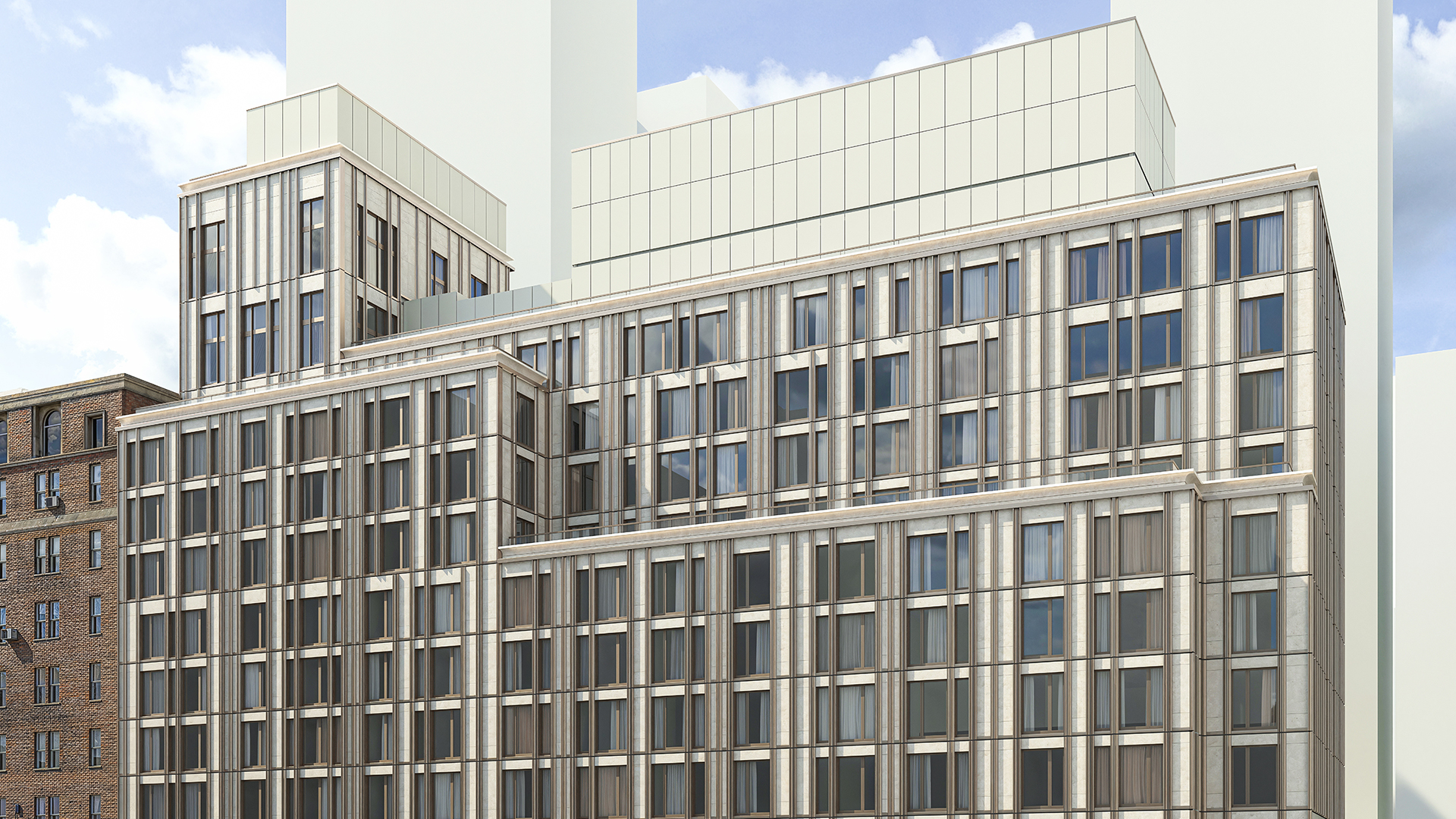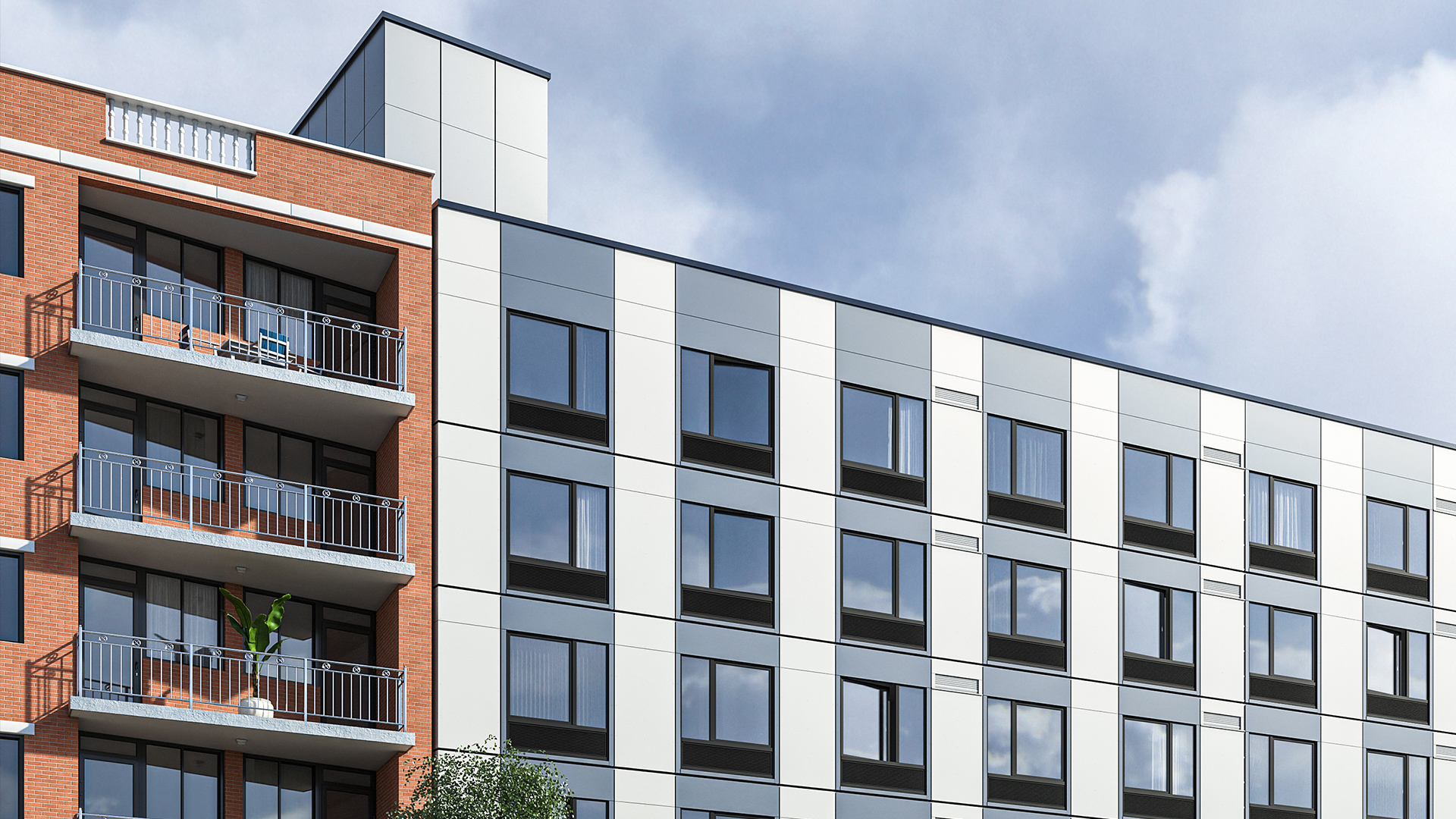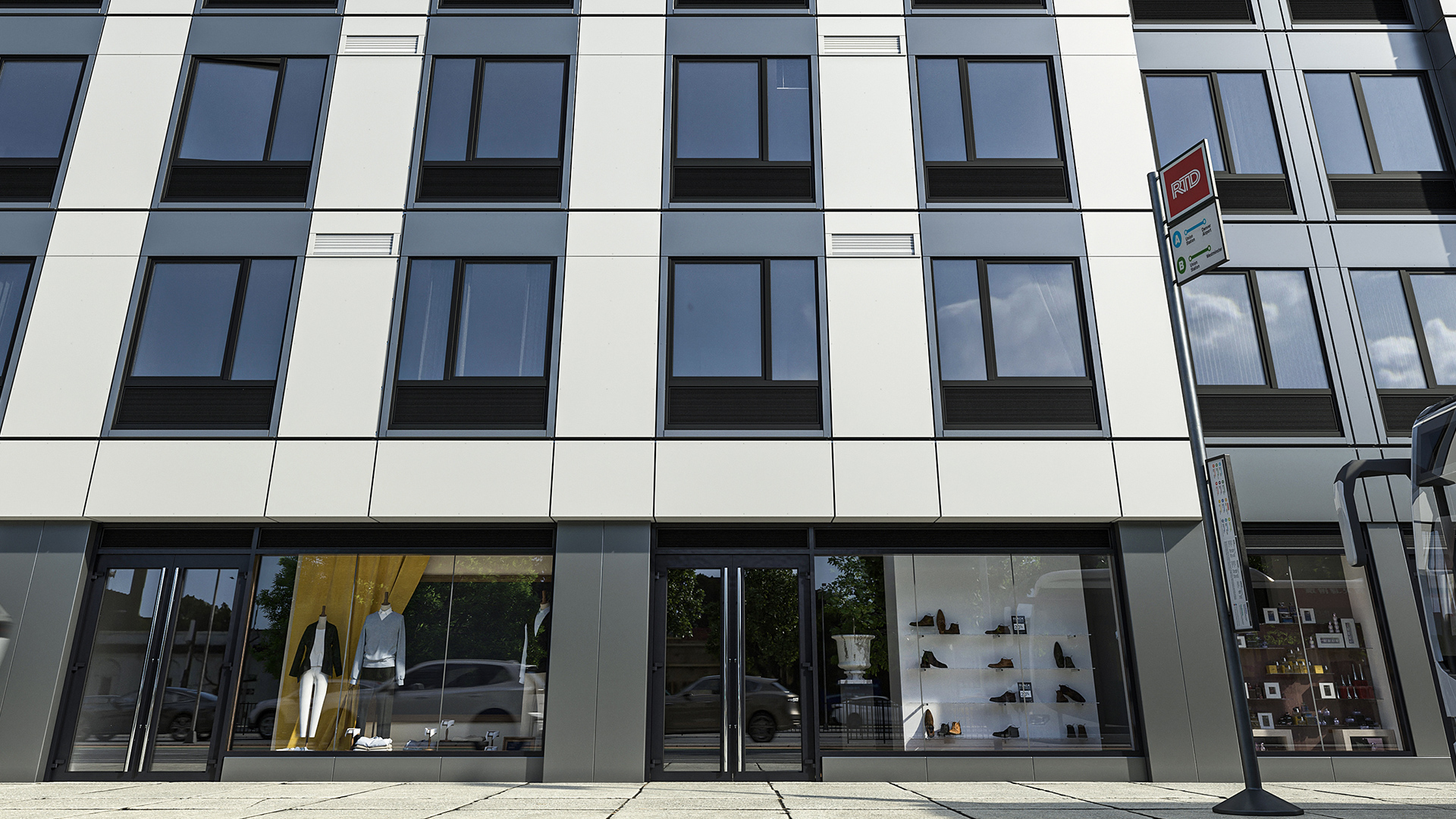
LOD 400 is not a more detailed version of the architect's model. It is a different category of model entirely — produced by the fabricator, owned by the contractor, and built from the architect's LOD 300 deliverable as a starting point. It contains information that only the fabricator can accurately specify: part numbers, connection hardware, manufacturing tolerances, and assembly sequences.
Understanding this distinction matters because the pressure on architects to produce LOD 400 is real — and the consequences of doing so at the wrong time are expensive.
What Is LOD 400?
LOD 400 (Level of Development 400) represents building elements modeled as specific assemblies, with fabrication, assembly, and detailing information added. Every component is specified to manufacturing precision. The model is used not to communicate design intent, but to guide actual production.
The BIMForum LOD Specification states: at LOD 400, the model element is modeled as a specific system, object or assembly in terms of quantity, size, shape, location and orientation with detailing, fabrication, assembly, and installation information. Non-graphic information may also be attached to the model element.
In practice: an LOD 400 curtain wall model contains the specific manufacturer's framing system, every anchor and bracket with part numbers, the connection hardware with bolt sizes and torque specs, and the panel dimensions confirmed to shop drawing precision. A fabricator can take this model directly into production.
What LOD 400 Contains That LOD 300 Does Not
Moving from LOD 300 to LOD 400 adds everything required for fabrication:
- Manufacturer-specific part numbers for every component — framing members, brackets, anchors, hardware
- Connection details: bolt sizes, weld specifications, fastener patterns, torque requirements
- Anchor and embed locations confirmed to structural shop drawing tolerances
- Panel dimensions confirmed to ±1/16 inch — manufacturing precision, not design precision
- Manufacturing sequence and assembly order for each panel type
- Thermal break details, gasket specifications, sealant joint dimensions
- Panel identification codes matching the fabricator's tracking system
None of this information exists at LOD 300. It cannot exist at LOD 300 — because most of it requires knowing which specific manufacturer was selected, what their standard bracket configurations are, and how their anchor systems relate to the structural framing. Those are decisions made after design approval and supplier selection, not during construction documents.
A Concrete Example: LOD 300 vs LOD 400 for the Same Curtain Wall Panel
The same unitized curtain wall panel at two different LOD levels illustrates the difference clearly.
At LOD 300, the panel shows:
- Width: 5 feet 0 inches, Height: 10 feet 6 inches (precise to ±1 inch)
- Type: Vision panel, 1-inch insulated glass, clear low-e coating
- Framing: aluminum curtain wall system (not manufacturer-specific)
- Finish: clear anodized aluminum
- Location: Floor 7, Bay 14, South facade
At LOD 400, the same panel shows:
- Width: 4 feet 11-7/8 inches, Height: 10 feet 5-3/4 inches (confirmed to shop drawing precision)
- Manufacturer: [specific curtain wall supplier], system [specific product line]
- Part number: [manufacturer panel code]
- Anchor system: three-point bracket anchoring, high-strength bolts at specified spacing
- Thermal break: 3/4-inch polyamide strip, continuous
- Gasket: EPDM dual-seal, part number [manufacturer code]
- Assembly sequence: sill receptor first, then head, then vertical frames, then glass
- Shipping ID: Panel-S07-14-A, crate 14-C
The LOD 300 model communicates design intent. The LOD 400 model guides manufacturing. They are different tools for different audiences.
Who Produces LOD 400 Models?
LOD 400 is produced by specialty subcontractors and fabricators — not architects. On a curtain wall project, the curtain wall fabricator produces the LOD 400 model as part of their shop drawing and fabrication package. The general contractor coordinates LOD 400 models from multiple trades to check for interferences before construction begins.
The architect's role at this stage is review and approval — confirming that the fabricator's LOD 400 model is consistent with the architect's LOD 300 design intent. The architect does not produce LOD 400 detail and does not carry liability for fabrication-level specifications.
This division of responsibility is typically written into the AIA contract documents and the BIM Execution Plan. Verify your project's BEP to confirm where the LOD 300/400 boundary sits and who owns each element.
Why Architects Get Pressured Into LOD 400
On facade projects, the pressure to produce LOD 400 detail early is real. Curtain wall systems have 6- to 12-month procurement lead times. Contractors want fabrication-ready information earlier than the design process allows. The result is a familiar conflict: the contractor asks for shop drawing-level data before design approvals are complete.
The right response: deliver LOD 300 precisely and on schedule, and resist the pressure to add LOD 400 detail until the supplier is selected and design is approved. Producing LOD 400 from an unconfirmed design creates two problems:
- If the design changes after LOD 400 has been produced, the fabrication-level rework is orders of magnitude more expensive than LOD 300 rework
- If the supplier changes after LOD 400 has been produced, the entire model needs to be redone — manufacturer-specific parts, anchors, and connections do not transfer between systems
The design-to-fabrication handoff works best when each party produces their level of detail at the right time in the process.
What Breaks When LOD 400 Is Produced Too Early
The consequences of advancing to LOD 400 before design is locked:
- Design freeze before client approval — LOD 400 detail locks in decisions (panel sizes, anchor patterns, finish codes) that the client may not have reviewed yet. Changes after LOD 400 are fabrication changes, not design revisions.
- Supplier dependency — the LOD 400 model is built around one manufacturer's system. If that supplier cannot meet the schedule, changes the pricing, or the project switches suppliers, the model is a liability, not an asset.
- Liability exposure — architects who produce LOD 400 detail carry implied responsibility for fabrication specifications they are not in a position to guarantee.
- Rework cascade — a single design change at LOD 400 — a panel height adjustment, a material change, an anchor repositioned by structural — triggers rework across dozens of coordinated elements.
Is LOD 400 the Same as Shop Drawings?
Not exactly, but they overlap significantly. Shop drawings are 2D documents produced by the fabricator for architect review. An LOD 400 BIM model is the 3D digital equivalent — a fabrication-ready model that contains the same information as shop drawings in a format that supports 3D coordination and clash detection.
On projects that use BIM throughout construction, LOD 400 models often replace or accompany traditional shop drawing submittals. In both cases, the architect's role is review and approval — not production.
Does Kora Studio Work at LOD 400?
No. Kora Studio has no role at LOD 400.
Kora Studio is designed for the LOD 100 phase — schematic design, facade grid definition, panel module exploration, and Light and Air compliance. By the time a project reaches LOD 400, Kora's work is done. The design decisions Kora supported — module layout, panel count, compliance metrics — were confirmed at LOD 100 and advanced through LOD 200 and LOD 300 by the project team.
LOD 400 is fabrication territory. It belongs to the curtain wall manufacturer, the specialty subcontractor, and the general contractor's coordination team. See Kora Studio Features to understand what Kora does at the design phase, and Kora Studio Use Cases for how those features map to the schematic design workflow.
Frequently Asked Questions
Does Kora Studio work at LOD 400? No. Kora Studio operates at LOD 100 only. LOD 400 is fabrication-level work produced by the curtain wall manufacturer and specialty subcontractors. Kora has no role at that stage of the project.
Who is responsible for the LOD 400 model? The specialty fabricator — typically the curtain wall manufacturer on facade projects. The general contractor coordinates the LOD 400 model with other trades. The architect reviews it for consistency with the LOD 300 design intent but does not produce it.
When does LOD 400 modeling typically begin? After design is approved (LOD 300 submitted and reviewed), the supplier is selected, and the fabricator has a confirmed contract. On curtain wall projects with 6–12 month lead times, there is pressure to start LOD 400 earlier — but doing so before design is approved creates significant rework risk.
Is LOD 400 required on all projects? Not always, but it is standard on complex facade projects, large public buildings, and projects where the contractor manages a BIM coordination process through construction. Some projects skip formally designated LOD 400 and go from LOD 300 directly to shop drawings. Check your BEP.
What is the difference between LOD 300 and LOD 400? LOD 300 is the architect's precise deliverable — specific materials, coordinated geometry, accurate dimensions. LOD 400 adds fabrication information: manufacturer part numbers, connection hardware, manufacturing tolerances. See LOD 300 vs LOD 400: Where Facade Design Ends and Fabrication Begins for the full breakdown.