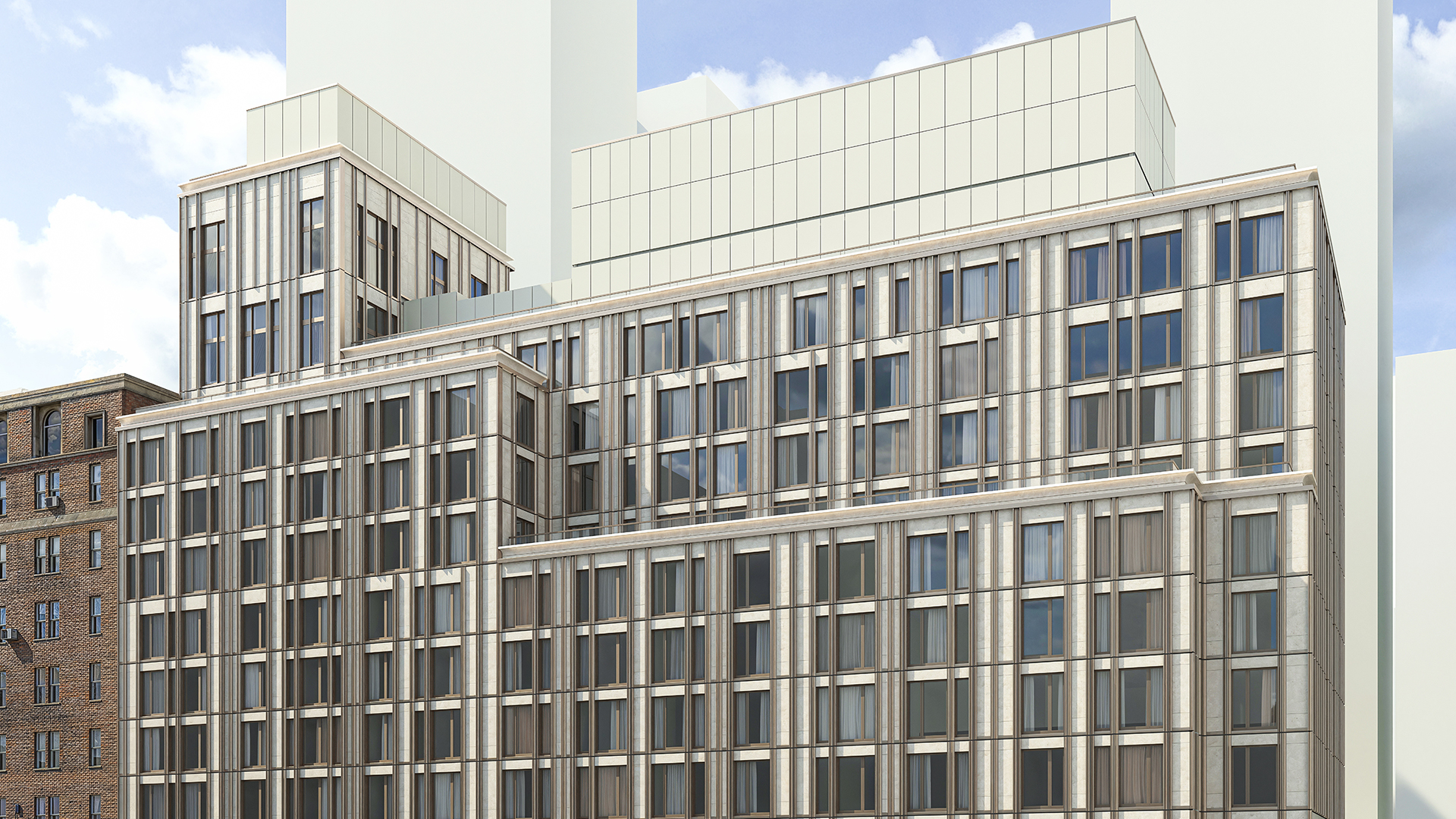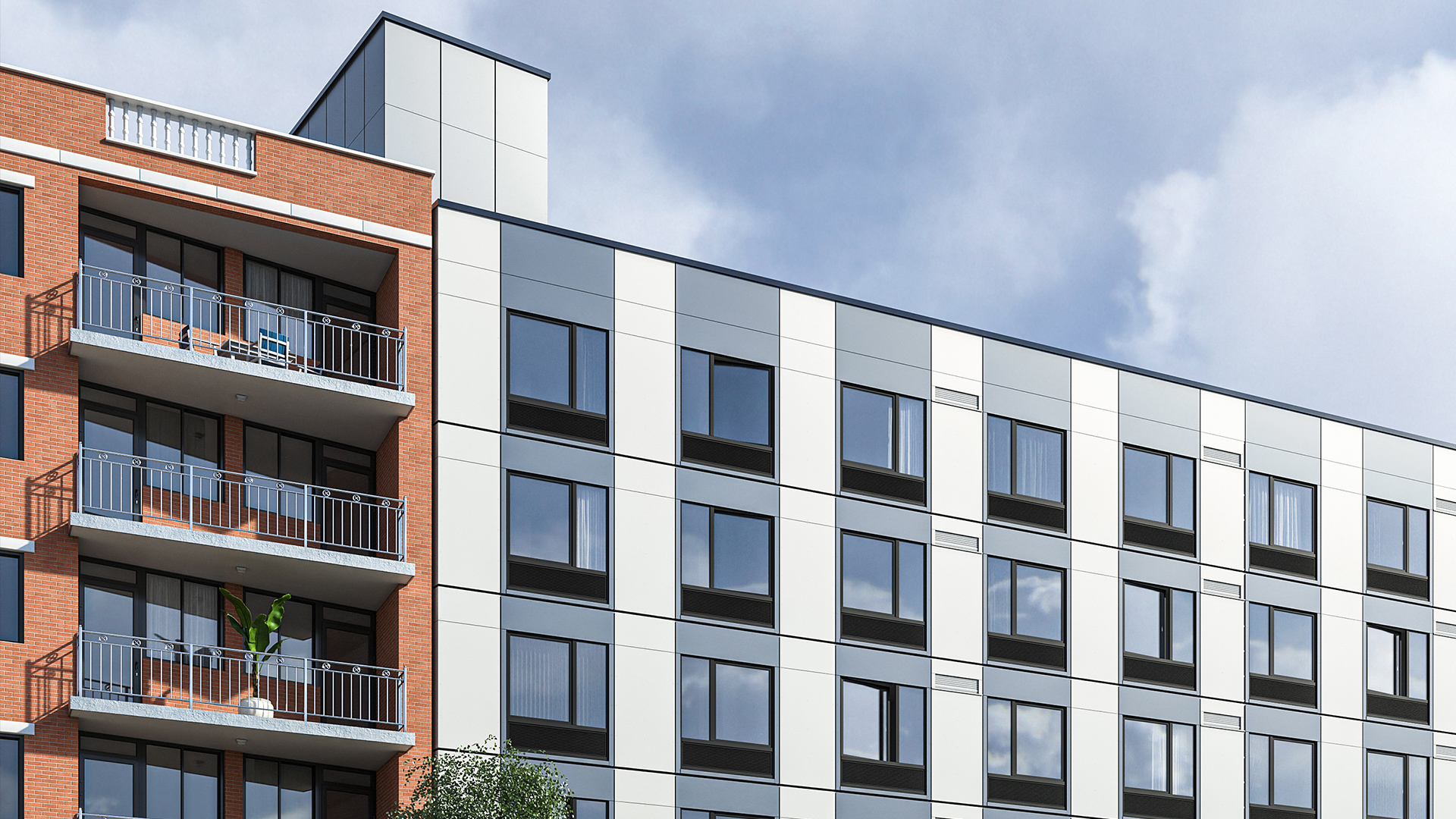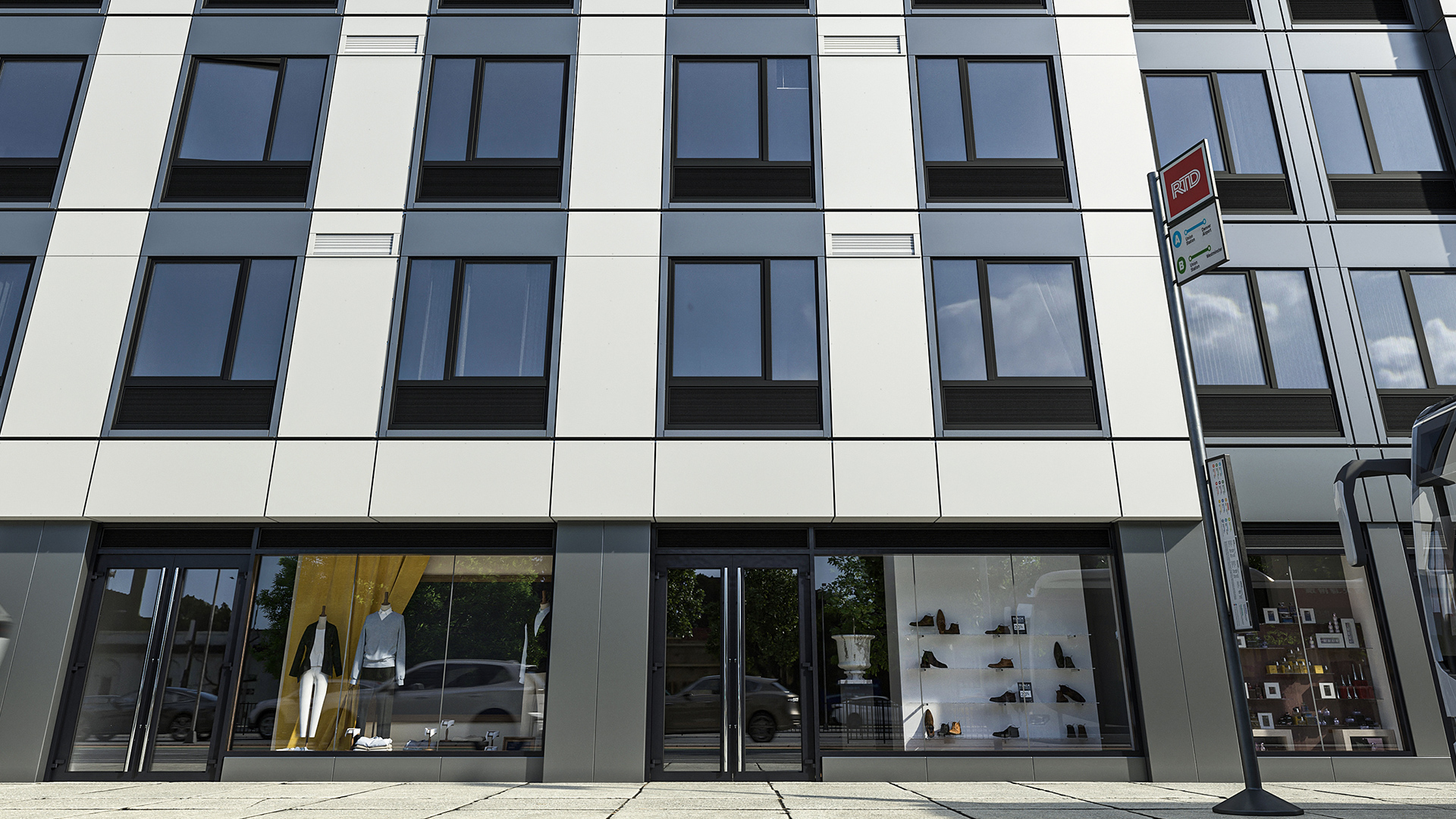
Facade projects fail at handoff more often than they fail at design. The architect produces drawings. The fabricator receives them. And somewhere in between, a set of unresolved conditions — corner geometry, panel module tolerance, anchor coordination — generates a cascade of RFIs that pushes the facade package weeks or months behind schedule.
This is not a communication problem. Both sides are communicating. It is a documentation problem: the model delivered to the fabricator does not contain the information the fabricator needs to act, and the model was never structured to produce that information cleanly.
Understanding where the gap opens — and how to close it before fabrication begins — is one of the most practical things a facade-engaged BIM team can do.
Where the Gap Opens
The design-to-fabrication gap does not open at LOD 400. It opens at LOD 100, when key decisions about facade geometry are left unresolved because the project is still in schematic design and precision feels premature.
Three conditions create the majority of handoff failures:
Unresolved geometry at LOD 100. When the schematic facade model does not define panel module size, corner conditions, or sill and head relationships, every downstream team must interpret the design intent independently. The structural engineer assumes one module. The curtain wall fabricator quotes another. By the time LOD 300 coordination begins, the model requires rework that the schedule does not accommodate.
LOD 300 delivered too late. Curtain wall fabricators have lead times that are measured in months, not weeks. If the LOD 300 facade package arrives after procurement has started on other trades, the fabricator has no time to raise coordination issues before long-lead items are ordered. RFIs that could have been resolved at design become field problems.
Design changes after LOD 400 begins. This is the most expensive failure mode. When an architect modifies panel proportions or changes a material specification after the fabricator has started shop drawings, the LOD 400 model must be rebuilt. On a unitized curtain wall system, a single panel type change can propagate across hundreds of panels.
What Makes Facade Handoffs Uniquely Difficult
Facade systems have characteristics that make the design-to-fabrication handoff more demanding than most other building envelope components.
Long lead times. Unitized curtain wall panels are manufactured off-site and delivered to a sequenced installation schedule. Lead times of 6 to 12 months are standard. A documentation error discovered at delivery has no practical remedy — there is no time to remanufacture.
Supplier dependency. The fabricator's shop drawing process depends on the architect's facade model containing accurate geometry. If the model uses placeholder families or generic Revit curtain wall system types without defined panel behavior, the fabricator must reconstruct the geometry from scratch — at their cost, on their timeline.
Tolerance requirements. Unitized curtain wall systems have tight dimensional tolerances that must be designed into the model, not assumed in the field. Corner panel offsets, stack joint clearances, and anchor embedment depths must all be defined before fabrication drawings begin. These are not details that can be resolved by the site team.
Inter-system coordination. The facade interacts with structural slabs, MEP penetrations, fire-stopping, and interior partitions at every floor. Each interaction requires coordinated documentation. A facade model that does not carry enough information to drive this coordination creates coordination drawings that are guesswork.
How to Structure the Handoff
A well-structured facade handoff is a sequence, not an event. The architect does not hand off a completed package on one date — the architect delivers progressively detailed documentation at defined milestones, giving the fabricator time to raise issues while the design is still flexible.
At LOD 100 (Schematic Design): The architect defines facade zone, panel module grid, and basic typology — unitized or stick, opaque or glazed. Corner conditions are flagged. The LOD 100 model does not need to contain fabrication geometry, but it must not contain contradictions that will force rework at LOD 300.
At LOD 200 (Design Development): Panel types are defined. The grid is locked. Major transitions — corners, column covers, sill conditions — are resolved in the model. The fabricator is engaged for preliminary review. This is when supplier-specific constraints (standard profile sizes, minimum module dimensions, panel weight limits) are incorporated into the model.
At LOD 300 (Construction Documents): The facade model contains coordinated geometry sufficient for contractor bidding and fabricator shop drawing preparation. Panel schedules are extractable from the model. Quantities are accurate. The structural anchor layout is coordinated with the structural model.
At LOD 400 (Fabrication): The fabricator drives the LOD 400 model. The architect's role is review and approval, not production. If the LOD 300 handoff was clean, the LOD 400 process is a translation — not a redesign.
For a deeper look at how LOD levels apply to facade work specifically, see LOD in BIM: 100, 200, 300, 400 Explained and What LOD Do Architects Actually Need.
Kora Studio: Clean LOD 100 as the Foundation
The design-to-fabrication gap is hardest to close when the LOD 100 model contains structural assumptions that later prove wrong. Kora Studio is built to prevent this by producing a parametric LOD 100 facade model that carries the right information — panel module, grid geometry, corner conditions — without requiring the architect to commit to fabrication-level detail at schematic design.
Kora works with unitized curtain wall systems only. The Grid Editor defines the facade module using formula-driven dimension fields — the same logic as Revit's curtain wall grid, but purpose-built for unitized panel coordination. The Panel Editor defines opaque and glazed panel types within the grid. Corner panels are supported natively, matching the same system used by Dextall's prefab facade production.
Because the Kora model is parametric from the start, changes at LOD 100 propagate cleanly. If the panel module changes at design development, the grid updates, the panel schedule updates, and the corner conditions update — without manual rework across multiple views and schedules.
The result is a LOD 100 model that downstream teams — structural, MEP, fabricator — can actually use. Fewer assumptions. Fewer contradictions. Fewer RFIs when the fabrication package arrives. Projects using this workflow have reported 84% fewer RFIs and $42K in average savings per project, based on data from the Dextall production system that Kora was built around.
See the full breakdown of the Revit-to-build-ready workflow, or explore Kora Studio's features to understand how the model structure supports the handoff sequence.
Related reading: Unitized vs Stick Curtain Wall, Curtain Wall RFI Reduction, Facade Grid in Revit.
FAQ
What is the design-to-fabrication gap in facade projects? It is the difference between the information the architect's model contains and the information the fabricator needs to produce shop drawings. The gap is caused by unresolved geometry, late documentation milestones, and design changes after fabrication has started.
At what LOD should the architect hand off to the facade fabricator? The primary handoff for shop drawing preparation is at LOD 300. The fabricator should be engaged for preliminary review at LOD 200, when the panel module and corner conditions are first resolved. Waiting until LOD 300 to involve the fabricator removes the opportunity to incorporate supplier-specific constraints while the design is still flexible.
Why do facade RFIs spike during fabrication? RFIs during fabrication are almost always traceable to documentation gaps at LOD 100 or LOD 300. When the schematic model does not resolve corner geometry or the construction document model does not carry accurate panel schedules, the fabricator must ask questions that the model should have answered.
Does Kora Studio produce LOD 300 documentation? Kora Studio is a LOD 100 tool. It produces a parametric facade model — grid, panel types, corner conditions — that gives downstream teams a clean foundation for LOD 300 development. The LOD 100 model Kora produces is structured to minimize rework as the project advances to construction documents.
What makes unitized curtain wall handoffs different from stick-built? Unitized panels are manufactured as complete units off-site, so the fabricator's shop drawing process must begin earlier and must be based on more resolved geometry than a stick-built system requires. A stick-built system can accommodate some field adjustment. A unitized system cannot — every panel is manufactured to the dimensions in the fabrication model.